

Introduction: Why Your Kitchen Backsplash Matters More Than You Think
Have you ever walked into a kitchen and felt instantly drawn to the space? Chances are, you weren’t just admiring the appliances or countertops—you were captivated by the backsplash. Your kitchen’s backsplash isn’t merely a functional barrier protecting your walls from splashes and stains. It’s a design statement that can transform your cooking space from mundane to magazine-worthy.
Kitchen backsplashes have become one of the most impactful yet underrated features in modern home design. According to recent data, 34% of homeowners who undertook kitchen renovations chose ceramic tile as their backsplash material, making it the most popular choice. But here’s what really matters: a well-executed kitchen backsplash can deliver up to 92% return on investment when you complete a mid-range kitchen renovation—the highest ROI of all home remodeling projects.
Among all backsplash options, subway tile remains the gold standard. Originating over a century ago from New York City’s historic subway stations, subway tile has transcended its utilitarian roots to become the most versatile, timeless choice for homeowners and interior designers alike. Whether you’re planning a complete kitchen overhaul or simply refreshing an outdated backsplash, understanding subway tile is essential.
Part One: Understanding the Subway Tile Legacy
The History Behind the Iconic Design
The original subway tiles you see today have an almost mythical origin story. When architects George C. Heins and Christopher Grant LaFarge designed New York City’s subway system in the early 1900s, they selected ceramic tiles for one specific reason: durability combined with easy maintenance. The glossy, glazed finish made these tiles incredibly practical for high-traffic public spaces.
What’s remarkable? The original white subway tiles can still be seen in NYC’s abandoned City Hall subway station, preserved like design artifacts in a time capsule. This speaks volumes about the longevity of a well-designed tile.
Victorian-era obsession with cleanliness sparked the rise of subway tiles. The glazed ceramic surface was stain-resistant and reflected light beautifully—qualities that made these tiles the default choice for hospitals, butcher shops, and eventually, residential kitchens and bathrooms. Over a century later, those exact same properties make subway tile just as relevant today.
Why Subway Tiles Remain Timeless
Let’s be honest: some design trends are fleeting. Remember when every kitchen needed granite countertops? Or when backsplash patterns became overly ornate? Subway tile has survived and thrived through countless design cycles because it strikes the perfect balance between form and function.
The versatility is astounding. Traditional subway tiles measure 3×6 inches, but modern interpretations range from compact 2×4 tiles to elongated 4×16 formats. Longer subway tiles create a contemporary feel with enhanced vertical flow, while shorter formats offer detailed, intricate patterns. The “subway tile” category has evolved so dramatically that manufacturers now define it simply as any tile where the length is approximately twice the width.
The material evolution has been equally impressive. While traditional subway tiles were ceramic, today’s market offers subway tiles in porcelain, glass, natural stone, and even metal. Each material brings distinct qualities—porcelain for unmatched durability, glass for light-reflective sophistication, stone for organic character, and metal for industrial-modern aesthetics.
Part Two: The Problem Most Homeowners Face
Common Backsplash Misconceptions That Lead to Regrets
Here’s the uncomfortable truth: many homeowners dive into backsplash projects without fully understanding their options, leading to installations they regret within months or years. Let’s address the real problems holding people back from committing to this important kitchen upgrade.
The “Boring White Subway Tile” Trap
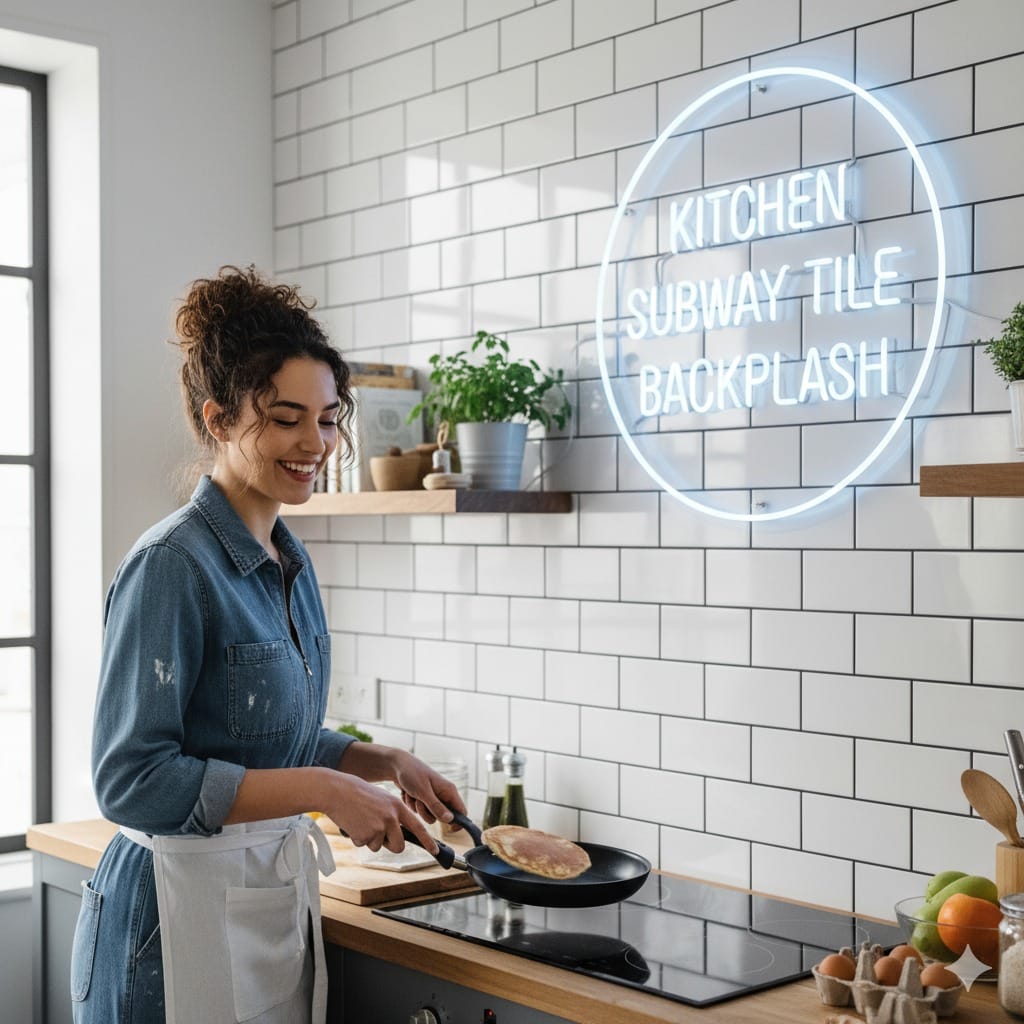
While classic white subway tile with light grout creates an eternally appealing aesthetic, some design influencers claim it’s “on the way out” in 2025. This narrative creates unnecessary pressure to avoid timeless designs. The reality? White subway tile remains a sophisticated, enduring choice—but it’s no longer your only option if you want to create impact.
The Installation Complexity Anxiety
Many homeowners assume that installing a subway tile backsplash requires professional expertise. While hiring a professional (averaging $500-$2,000 for complete installation) ensures flawless results, countless DIY enthusiasts have successfully completed backsplash projects by understanding proper preparation, spacing, and grouting techniques.
The Material Selection Overwhelm
With options ranging from budget-friendly ceramic ($12-$32 per square foot installed) to luxury natural stone ($20-$150+ per square foot installed), choosing the right material without guidance feels paralyzing. Most homeowners don’t understand the practical differences between ceramic and porcelain, or why glass might require different installation methods.
The Maintenance Misunderstanding
Many people believe that grouted tile requires constant, complicated maintenance. This myth prevents otherwise interested homeowners from committing to subway tile. The truth? Proper grout sealing (every 1-2 years) and basic cleaning are genuinely simple tasks that keep backsplashes looking pristine indefinitely.youtube
Part Three: Choosing Your Perfect Subway Tile Style
Classic Patterns That Never Disappoint
Understanding pattern options is fundamental to making an informed choice. Here’s why patterns matter: they determine visual flow, installation complexity, maintenance requirements, and the overall character your backsplash projects.
Running Bond (Brick Bond)
The running bond pattern is the most traditional subway tile installation method. Tiles are staggered horizontally, with each row offset by half a tile width—exactly resembling brick masonry. This pattern creates a subtle horizontal line that elongates the space visually.
Benefits: Creates a timeless, professional appearance; minimizes visible grout lines in one direction; works beautifully with standard 3×6 subway tiles
Considerations: Requires precise cutting for edges; some grout maintenance due to staggered lines; may feel too traditional for contemporary design goals
Vertical (Stacked) Pattern
Stack each row directly on top of the previous one, creating perfect vertical and horizontal grid lines. This creates a formal, structured aesthetic.
Benefits: Creates strong geometric lines; easier installation for beginners; emphasizes verticality in small kitchens; works with various tile sizes
Considerations: Emphasizes every grout line (more visual maintenance required); can feel rigid in modern applications; shows grout discoloration more prominently
Herringbone Layout
Subway tiles are arranged in a distinctive V-shaped weaving pattern. Each tile is rotated 45 degrees, creating diagonal lines that alternate direction.
Benefits: Creates dramatic visual interest; adds movement and sophistication; works with larger subway tiles for contemporary flair
Considerations: Requires more cuts and precision; higher labor costs for professional installation; more grout lines mean increased maintenance; mistakes are highly visible
Horizontal Thirds
Tiles are positioned in thirds horizontally (offset by one-third rather than one-half), creating a stepped, rhythmic pattern.
Benefits: Modern alternative to running bond; sophisticated middle-ground between tradition and contemporary design; excellent for longer-format subway tiles
Considerations: Requires precise planning before installation; slightly more complex than simple stacking
Color Psychology and Grout Selection
Your tile and grout color choices carry tremendous design weight. This isn’t just aesthetics—it affects maintenance, perceived cleanliness, and kitchen perception.
White Tiles With Light Grout (The Classic Approach)
Matching white tiles with light-colored grout creates a seamless, unified appearance. This combination reflects light beautifully, making kitchens feel brighter and more spacious.
Design Impact: Clean, contemporary, calming; visually expands small kitchens; works with virtually any kitchen style
Maintenance Reality: Shows dirt and grout discoloration prominently; requires regular cleaning; light grout needs sealing every 1-2 years to prevent staining
White Tiles With Dark Grout (The Dramatic Contrast)
This monochrome approach uses high-contrast grout (charcoal, black, or deep gray) against white tiles, creating bold definition.
Design Impact: Adds visual grid structure; modern, architectural feel; creates strong focal point; hides dirt effectively
Maintenance Advantage: Dark grout conceals staining; requires less frequent cleaning to maintain appearance; excellent for busy kitchens
Colored Tiles and Strategic Grout Choices
2025 kitchen design trends show increasing adoption of statement-making colored subway tiles. According to the 2026 NKBA Kitchen Trends Report, 60% of homeowners identify statement colors in the backsplash as a key design element, with green (86%) and blue (78%) ranking as top neutral-adjacent choices following traditional whites.
Navy blue subway tiles create sophisticated, contemporary kitchens while camouflaging splashes from stovetop cooking. Soft greens bring organic, calming energy. Even soft blacks and grays add modern elegance when paired with natural wood cabinetry.
Part Four: Material Selection Comparison
Ceramic vs. Porcelain: Understanding the Fundamental Difference
This decision impacts cost, durability, maintenance, and aesthetics more than many homeowners realize.
Ceramic Tiles: The Accessible Choice
Ceramic tiles are formed from red, brown, or white clay, shaped, glazed, and fired at moderate-to-high temperatures. They’re the most affordable option and remain the most popular choice.
| Feature | Ceramic | Porcelain |
|---|---|---|
| Water Absorption | >0.5% (higher) | <0.5% (minimal) |
| Durability | Good; prone to chipping in high-impact areas | Excellent; highly resistant to chipping |
| Cost Per Square Foot (Installed) | $12-$32 | $14-$28 |
| Maintenance | Regular sealing recommended | Minimal maintenance needed |
| DIY Installation | Easier; cuts with standard tile cutters | More challenging; requires wet saws |
| Best For | Budget-conscious homeowners; classic aesthetics | Long-term durability; moisture-prone areas |
Why Ceramic Works: Ceramic tiles offer incredible design versatility with countless colors, patterns, and finishes at wallet-friendly prices. The glazed surface resists staining when properly sealed, and installation difficulty remains manageable for motivated DIYers
Porcelain Tiles: The Premium Investment
Porcelain combines white clay, sand, and feldspar fired at extremely high temperatures, creating a denser, more durable material. The result is a tile that essentially never absorbs water.
Why Porcelain Excels: If you’re planning to stay in your home long-term or want maximum durability with minimal maintenance, porcelain tiles justify the slightly higher investment. They’re virtually impossible to chip, require no sealing, and maintain their appearance indefinitely with basic cleaning.
Glass and Natural Stone: When You Want Drama
Glass Subway Tiles
Modern glass backsplashes create sleek, contemporary aesthetics with light-reflective surfaces that brighten kitchens. Available in frosted, high-gloss, or iridescent finishes, glass tiles offer unlimited color possibilities.
Pros: Contemporary aesthetic; reflects light to create spacious feeling; non-porous surface resists staining; easy to clean
Cons: Requires professional-grade tools for cutting; shows dust and water spots; can feel cold in certain kitchen contexts; more expensive ($18-$42 per square foot installed)
Natural Stone (Marble, Travertine, Granite)
Stone backsplashes bring organic beauty and warmth. Marble offers elegance but requires significant maintenance; granite provides durability with less upkeep.
Critical Consideration: Natural stone is porous and must be sealed before grouting to prevent grout staining and water penetration. This adds complexity and ongoing maintenance requirements that many homeowners underestimate.youtube
Part Five: Installation Masterclass
Pre-Installation Mistakes That Ruin Everything
Professional installers report the same mistakes repeatedly. Understanding these pitfalls prevents thousands of dollars in costly corrections.
Mistake #1: Skipping Surface Preparation
Your wall preparation determines installation success more than any other factor. A common DIY error is applying tiles directly to dirty, greasy kitchen walls.
The Right Way: Clean walls thoroughly using a pre-paint cleaner to remove grease buildup. Use a spirit level to identify uneven spots. If walls aren’t level, apply patching compound and sand smooth. For moisture-prone areas, install backer board to prevent water damage behind tiles.
This preparation step takes 2-3 hours but prevents adhesive failure, tile popping, and catastrophic mold issues later.
Mistake #2: Incorrect Adhesive Selection
Using wall-adhesive designed for simple drywall patches won’t cut it for kitchen backsplashes. Kitchen areas experience temperature fluctuations, moisture exposure, and surface movement that demand robust adhesives.
Correct Practice: Use modified thin-set mortar designed specifically for tile. Porcelain tiles require specialized high-latex thin-set adhesive. Never improvise with caulk or general-purpose construction adhesive.
Mistake #3: Ignoring Proper Layout Planning
Many DIYers begin tiling without determining where cuts will occur. This results in slivers of tile at edges, uneven grout lines, and an obviously unprofessional appearance.
The Professional Approach: Map out your layout on paper before opening a single box of tiles. Dry-lay tiles on the floor to visualize patterns. Ensure cuts at edges are symmetrical and substantial (ideally at least half-tile width). This planning prevents visible sloppy cuts that immediately signal amateur installation.
Mistake #4: Inconsistent Spacing
Grout lines should be consistent throughout—typically 1/16 inch to 1/4 inch, depending on tile type and design preference. Varying spacing creates an obviously sloppy appearance.
Solution: Use tile spacers (either cross-shaped or T-shaped, depending on pattern) consistently throughout installation. Spacers cost pennies but transform results from “I attempted this myself” to “this looks professionally done”.
Mistake #5: Rushing Grout Removal
Many DIYers wait too long to remove excess grout, then struggle to clean it without removing grout from joints. Others clean too aggressively, compromising grout integrity.
Timing is Everything: Wait 10-15 minutes after applying grout. Damp your sponge and gently wipe in circular motions on small sections at a time. The grout should be partially set but still workable. Avoid pressing hard into grout lines. Rinse your sponge frequently in clean water.