

Have you ever walked into your kitchen and felt… underwhelmed? You know something’s off, but a full renovation feels overwhelming—both financially and logistically. Here’s a secret that interior designers have known for years: you don’t need to gut your entire kitchen to make it look spectacular. In fact, 82% of homeowners who focus on strategic accent updates report being “highly satisfied” with the visual impact, spending a fraction of what complete remodels cost.
What if I told you that changing tiles in just one strategic area could transform your cooking space from forgettable to magazine-worthy? It sounds too good to be true, but this single design move is revolutionizing how homeowners approach kitchen updates in 2025. Whether you’re preparing to sell, refreshing your personal space, or simply tired of looking at the same old walls, this guide will show you exactly which tile change delivers maximum impact with minimal investment.
Let’s explore how one thoughtful tile upgrade can breathe new life into your kitchen—and why this approach is smarter than you ever imagined.
Why One Strategic Tile Change Works Better Than Full Renovations
We’ve all been conditioned to think that kitchen transformations require extensive renovations involving weeks of disruption, contractor coordination, and budgets that make your palms sweat. But that’s outdated thinking.
The Psychology of Focal Points
Your brain doesn’t process rooms as complete entities—it seeks focal points. When you enter a kitchen, your eyes naturally gravitate to specific areas: the space behind the stove, the backsplash behind the sink, or eye-level wall sections. By upgrading tiles in these high-impact zones, you create a visual anchor that elevates the entire space.
Think of it like this: when you wear a statement necklace, people notice your entire outfit differently. The same principle applies to your kitchen. A stunning tile feature behind your range creates such visual interest that other elements—even dated ones—suddenly feel intentional rather than tired.
The Financial Intelligence of Targeted Upgrades
Complete kitchen renovations average $25,000-$50,000 and recoup only about 60-80% of costs at resale. Compare that to a strategic tile accent wall costing $750-$1,500 that yields a similar 50-70% ROI while requiring just a weekend to install.
The math is simple: targeted tile changes deliver comparable percentage returns on dramatically smaller investments. You’re essentially getting the visual impact of a major renovation for the cost of a nice weekend getaway.

The #1 Tile Change: Behind Your Stove/Range Area
If you’re going to upgrade tiles in just one kitchen area, make it the space behind your stove. This zone offers unmatched visual and practical benefits that justify its position as the single most impactful tile change you can make.
Why This Area Matters Most
Creates an Instant Focal Point: The cooking area naturally draws attention—it’s where the action happens. By installing eye-catching tiles here, you’re capitalizing on where people already look.
Defines Your Kitchen’s Style: This space sets the aesthetic tone for your entire kitchen. Bold Moroccan patterns signal eclectic personality. Sleek subway tiles announce contemporary elegance. Natural stone communicates organic luxury.
Solves Practical Problems: This high-splash zone needs durable, heat-resistant protection anyway. You’re addressing functional requirements while making a design statement.
Frames Your Cooking Space: When properly executed, accent tiles behind the stove create a “framed” effect that makes your cooking area feel like a custom-designed culinary command center.
The Transformation Power
A yellow brick home renovation case study demonstrated this perfectly: by replacing tired, grout-heavy backsplash tiles with large-format porcelain, the kitchen went from cramped and dated to spacious and contemporary—without changing cabinetry, flooring, or appliances. The tile change alone created the perception of a complete transformation.
Choosing Your Statement Tiles: Styles That Deliver Impact
Not all tiles are created equal when it comes to transformation power. Here are the styles delivering the most dramatic results in 2025.
Bold Patterned Tiles for Maximum Drama
Geometric designs, Moroccan zellige, or Mediterranean-inspired patterns create instant wow-factor that completely shifts your kitchen’s personality.
Best for: Homeowners with neutral cabinets and countertops who want to inject personality without replacing major elements.
Design tip: If your pattern is busy, keep the frame simple with solid-colored border tiles that match your kitchen’s existing palette.
Cost: $8-$25 per square foot for ceramic patterned tiles; $20-$45 for handcrafted options.
Textured 3D Tiles for Architectural Interest
Three-dimensional tiles interact with light throughout the day, creating dynamic visual interest that flat tiles simply cannot match.
Best for: Modern and contemporary kitchens where you want to add dimension without color.
Design tip: Use textured tiles sparingly—the stove area is perfect because it’s a defined space that won’t overwhelm.
Cost: $12-$35 per square foot depending on complexity.
Large-Format Tiles for Modern Sophistication
Oversized tiles (12″x24″ or larger) minimize grout lines and create a sleek, seamless look that makes spaces feel larger and more expensive.
Best for: Small kitchens that need visual expansion or anyone seeking a contemporary aesthetic with minimal maintenance.
Design tip: Vertical installation of large rectangular tiles draws the eye upward, making ceilings feel higher.
Cost: $6-$20 per square foot for porcelain; $30-$80 for natural stone.
Natural Stone Slabs for Luxury Appeal
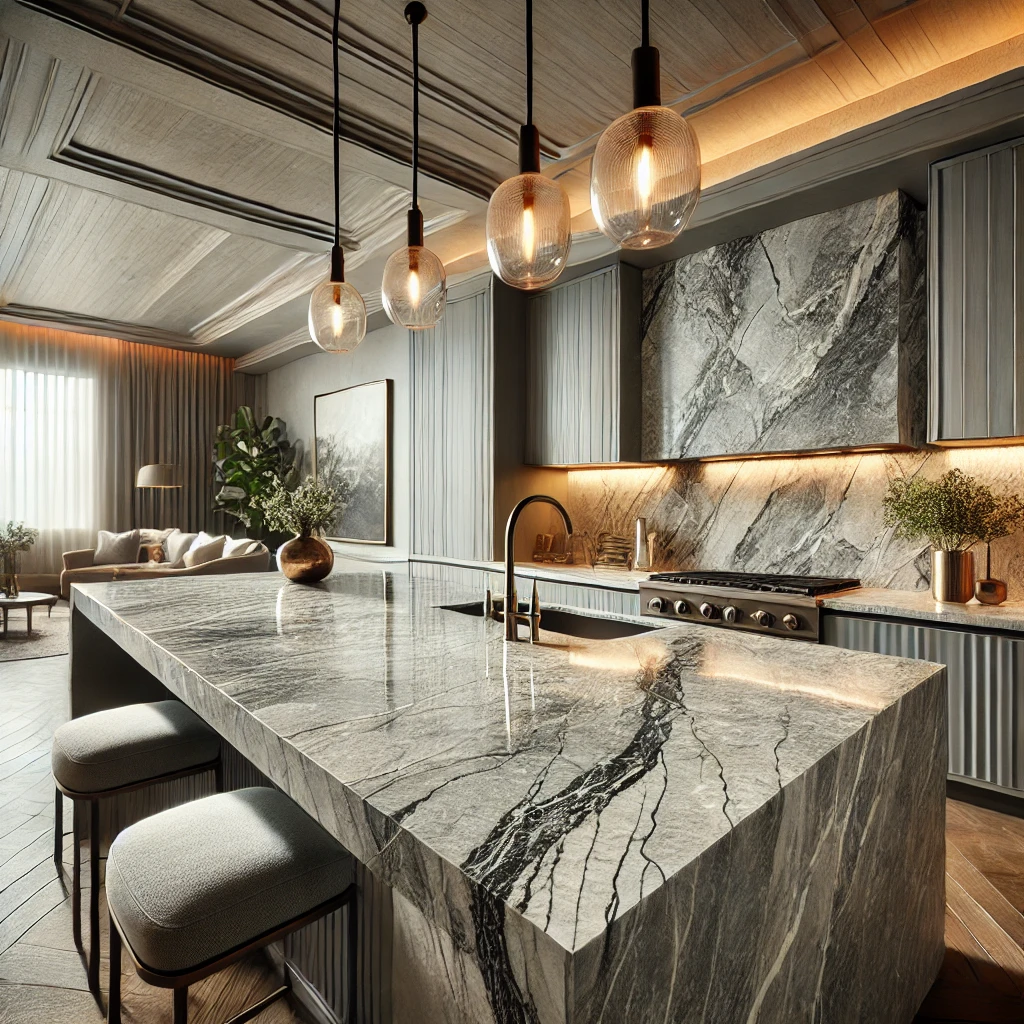
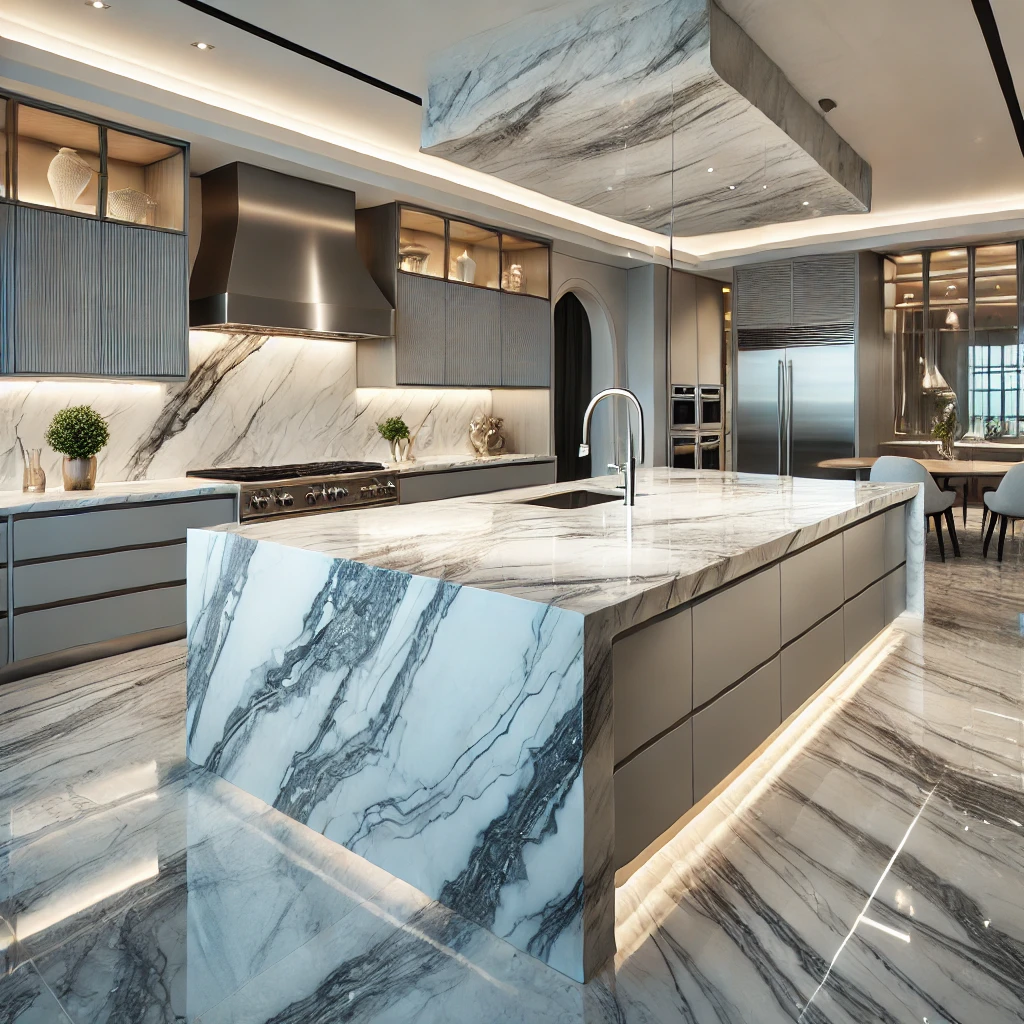
Full-height marble or quartzite slabs behind the stove eliminate grout lines entirely while showcasing dramatic veining patterns.
Best for: Upscale kitchens or anyone wanting to create a gallery-like focal point that signals investment-grade materials.
Design tip: Let the stone be the star—pair with simple hardware and minimal décor in the immediate area.
Cost: $50-$150+ per square foot installed.
Glass Tiles for Light and Brightness
Reflective glass tiles bounce light around the kitchen, making the space feel airier and larger—particularly effective in kitchens with limited natural light.
Best for: Dark kitchens or anyone wanting a sleek, easy-to-clean surface with contemporary appeal.
Design tip: Mix glass mosaic tiles with larger format tiles to create visual interest without overwhelming the space.
Cost: $15-$45 per square foot.
Beyond the Stove: Other High-Impact Single Tile Changes
While the stove area reigns supreme, these alternative locations also deliver impressive transformation power if your cooking zone already has great tiles.
Full-Height Feature Wall
Instead of stopping your backsplash at standard height, extend eye-catching tiles from counter to ceiling on one prominent wall.
Visual impact: Creates dramatic architectural interest and makes your kitchen feel custom-designed.
Best tiles: Large-format porcelain, textured ceramics, or patterned tiles that can handle vertical repetition without feeling busy.
Ideal location: The wall behind your sink or the most visible wall when entering the kitchen.
The Sink Backsplash
Often overlooked, the area behind your sink gets heavy daily viewing as you wash dishes, prep food, and gaze out windows.
Visual impact: Upgrades your daily experience and creates a bright, clean focal point.
Best tiles: Glass mosaics, subway tiles in interesting patterns (like vertical stacks or herringbone), or patterned ceramics that complement your stove area tiles.
Design tip: If you’re updating both sink and stove areas, use complementary tiles rather than identical ones to create visual rhythm.
The “Border Treatment” Approach
Frame your existing backsplash with a contrasting accent tile border—particularly effective if your current backsplash is neutral but dated.
Visual impact: Refreshes existing tiles without replacing them, adding contemporary definition at minimal cost.
Best tiles: Slim rectangular tiles, pencil trim, or complementary accent tiles in contrasting colors or textures.
Budget-friendly factor: Requires fewer tiles since you’re only adding borders, keeping costs under $300 for many kitchens.
The Color Psychology of Your Tile Choice
Your tile color doesn’t just affect aesthetics—it influences how your kitchen feels every single day.
Energizing Warm Tones
Reds, oranges, terracottas, and warm yellows stimulate appetite and conversation. If your kitchen is your family gathering space, warm-toned accent tiles create an inviting atmosphere that naturally draws people together.
Ideal for: Social households, open-concept kitchens that flow into living areas, or anyone wanting their kitchen to feel energetic and welcoming.
Tile suggestions: Terracotta zellige, burnt orange geometric patterns, or warm amber glass mosaics.
Calming Cool Colors
Blues, greens, and cool grays promote tranquility and focus. Perfect if your kitchen is your morning meditation space or if you find cooking therapeutic.
Ideal for: Busy households needing calming influences, small kitchens that benefit from colors that create spacious feelings, or minimalist designs.
Tile suggestions: Seafoam glass tiles, sage green ceramics, or soft gray-blue subway tiles.
Sophisticated Neutrals
Whites, creams, taupes, and warm beiges provide timeless backdrops that allow flexibility in décor changes.
Ideal for: Homeowners planning to sell soon, those who update accessories seasonally, or anyone preferring understated elegance.
Tile suggestions: Ivory marble-look porcelain, warm white zellige, or textured beige ceramics.
Bold Statement Colors
Deep emerald, navy, charcoal, or even black tiles create striking contrast, particularly against white or light wood cabinets.
Ideal for: Confident designers wanting head-turning impact, contemporary kitchens with clean lines, or anyone tired of playing it safe.
Tile suggestions: Black hexagon tiles, navy fish-scale patterns, or deep green geometric designs.
DIY vs. Professional Installation: Making the Smart Choice
The beauty of a single tile accent area is that it’s genuinely DIY-friendly for many homeowners—but not all situations are created equal.
When DIY Makes Perfect Sense
Straightforward layouts: Simple grid patterns with rectangular tiles don’t require advanced tile-setting skills.
Small areas: The space behind most stoves is 30-50 square feet—manageable for weekend warriors.
Forgiving tile choices: Subway tiles, large-format rectangles, and simple mosaics hide minor imperfections better than intricate patterns.
Budget constraints: DIY saves $10-$20 per square foot in labor costs.
What You’ll Need for DIY Success
- Tile (plus 10-15% extra for cuts and mistakes)
- Thinset mortar or mastic adhesive
- Grout and grout sealer
- Tile spacers
- Wet saw or tile cutter
- Notched trowel
- Grout float
- Level and measuring tape
- Safety equipment (goggles, gloves)
Time investment: Plan for 6-10 hours spread across a weekend—one day for installation, another for grouting after the thinset cures.
DIY cost for 30 sq. ft. stove area: $300-$750 including tools (one-time purchase) and materials.
When to Call the Professionals
Complex patterns: Herringbone, chevron, or intricate mosaics require precision that comes with experience.
Expensive materials: Natural stone and handcrafted tiles are unforgiving—mistakes get costly quickly.
Wall condition issues: If your walls need repair, leveling, or waterproofing, professionals ensure proper preparation.
Resale considerations: If you’re updating to sell within a year, professional installation signals quality to potential buyers.
Professional cost for 30 sq. ft. stove area: $750-$1,500 installed, depending on tile choice and complexity.
Step-by-Step: Installing Your Transformation Tile
Ready to DIY your accent tile area? Follow this proven process that yields professional-looking results.
Phase 1: Planning and Preparation (Day 1, Morning)
Calculate your square footage: Measure height and width, multiply for total square feet, then add 15% for cuts and future repairs.
Order samples: Never choose tiles from photos alone. Order samples and view them in your kitchen’s actual lighting at different times of day.
Prepare the surface: Remove old backsplash if necessary. Clean walls thoroughly. Repair any damage. Walls must be smooth, dry, and level.
Mark your center line: Find the center point of your stove area and mark a vertical line—this ensures your tile layout looks balanced.
Phase 2: Layout Planning (Day 1, Afternoon)
Dry-lay your tiles: Using spacers, arrange tiles on your counter in the exact pattern you’ll install them. This reveals how cuts will fall and allows you to adjust.
Plan for outlets: Mark tiles that will need cuts for outlets or switches. Cuts should fall symmetrically when possible.
Decide on borders: If using trim or accent border tiles, determine their placement now.
Phase 3: Installation (Day 2, Morning-Afternoon)
Mix thinset: Follow manufacturer directions for proper consistency—it should hold its shape but spread smoothly.
Apply thinset: Use a notched trowel to spread adhesive in small sections (about 3-4 square feet at a time) so it doesn’t dry before you set tiles.
Set tiles: Press firmly with a slight twisting motion. Use spacers between every tile. Check level frequently.
Work from center outward: Starting at your center line ensures balanced layout even if cuts are needed at edges.
Cut tiles as needed: Use a wet saw for straight cuts and a tile nipper for small adjustments around outlets.
Let it cure: Don’t apply grout until thinset has cured—typically 24 hours minimum.
Phase 4: Grouting (Day 3, Morning)
Mix grout: Choose a color that either blends with your tile or creates intentional contrast.
Apply grout: Use a grout float held at a 45-degree angle, pressing grout firmly into joints.
Clean excess: After 15-20 minutes (when grout is firm but not hard), wipe tiles with a damp sponge in diagonal strokes.
Final polish: Once completely dry, buff away any remaining haze with a microfiber cloth.
Seal grout: Apply grout sealer after 48-72 hours to protect against stains.
Real Transformations: Before and After Results
Let me share some real-world examples that demonstrate the power of strategic tile changes.
Case Study 1: The Large-Format Revolution
A Cincinnati kitchen suffered from busy, dated tiles with excessive grout lines that made the space feel cramped. By replacing these with large-format Livingstone Bianco porcelain tiles (12″x24″), the homeowners created a transformation that shocked everyone.
The change: Old tiles removed, large-format porcelain installed behind the stove and across all backsplash areas.
The cost: Approximately $1,200 for materials and DIY installation.
The result: The kitchen appeared to gain square footage—not through expansion, but through visual cohesion. Fewer grout lines created the illusion of a single stone slab. Family members said it felt like a completely different kitchen.
Key takeaway: Sometimes the pattern you remove matters as much as what you install. Simplifying visual clutter can be transformative.
Case Study 2: The Pattern Pop
A neutral kitchen with white shaker cabinets felt sterile and cold. The homeowner installed geometric cement tiles in green and white patterns exclusively behind the stove.
The change: Approximately 35 square feet of patterned tiles behind the cooking area, framed with simple white trim.
The cost: $900 total (mid-range patterned tiles plus professional installation).
The result: The kitchen instantly gained personality and warmth. The pattern created a focal point that made the white cabinets feel intentional rather than plain. Guest compliments increased noticeably.
Key takeaway: Bold pattern in a defined area adds interest without overwhelming. The key is containment—pattern everywhere is chaos; pattern in one strategic spot is sophistication.
Case Study 3: The Textured Dimension
A modern condo kitchen with all the right colors somehow felt flat. The addition of 3D textured white ceramic tiles behind the stove changed everything.
The change: 30 square feet of three-dimensional relief tiles creating vertical wave patterns.
The cost: $750 (mid-range 3D tiles, DIY installation).
The result: The play of light and shadow across the textured surface created dynamic visual interest that photographs couldn’t fully capture. The kitchen felt more custom and thoughtfully designed.
Key takeaway: Texture adds luxury that smooth tiles cannot. When color isn’t appropriate (all-white kitchens), texture provides the visual interest you’re craving.
Advanced Design Tips from the Pros
Want to think like an interior designer? These insider strategies ensure your tile change looks professionally conceived.
The “Triangle of Visual Interest” Principle
Designers know that the eye seeks balanced visual weight. If you create a stunning tile feature behind your stove, add two other points of visual interest to form a triangle—perhaps updated pendant lights and a decorative bowl of fruit on the island.
This prevents your tile feature from feeling disconnected while directing traffic through the space visually.
Grout Color as a Design Tool
Matching grout (same color as your tile) creates seamless continuity, making tiles appear larger and spaces feel more expansive.
Contrasting grout (dark grout with light tiles or vice versa) emphasizes individual tiles and creates graphic grid patterns—perfect for geometric or contemporary designs.
Colored grout in unexpected hues (navy with white tiles, dark gray with beige, etc.) adds sophisticated edge without pattern.
The Frame Technique
When installing feature tiles behind your stove, consider “framing” them with trim tiles, metal strips, or even painted wood molding. This defined border:
- Makes the feature feel intentional rather than incomplete
- Protects tile edges from chips
- Creates a gallery-like presentation that elevates perceived value
- Allows you to use more expensive tiles in a smaller, framed area
The Vertical Emphasis Strategy
Installing rectangular tiles vertically rather than horizontally creates the illusion of higher ceilings—a simple orientation change with dramatic spatial impact.
This works particularly well behind stoves in kitchens with standard 8-foot ceilings that could benefit from perceived height.
The Lighting Multiplication Effect
Install under-cabinet lighting that shines directly on your new tile feature. This amplifies impact in three ways:
- Highlights texture and pattern
- Creates ambiance for evening gatherings
- Makes reflective tiles (glass, glazed ceramics) sparkle and feel more luxurious
Pro tip: Warm white LED strips create inviting glow; cool white emphasizes contemporary aesthetics.
Avoiding Common Mistakes That Ruin Tile Transformations
Even with the best intentions, certain mistakes can undermine your tile transformation. Here’s what to avoid.
Mistake #1: Choosing Tiles in Isolation
Your accent tiles must relate to existing elements—cabinet colors, countertop materials, flooring, and hardware finishes. Bring samples home and view them in context before committing.
Solution: Create a material board with tile samples, cabinet door samples, countertop chips, and hardware. Evaluate how they work together.
Mistake #2: Ignoring Scale and Proportion
Tiny mosaic tiles can look fussy in large spaces, while oversized tiles may overwhelm small kitchens.
Solution: As a general rule, tile size should be proportional to the area. For standard backsplash behind a 30-inch stove, 3″x6″ subway tiles, 4″x4″ squares, or 6″x6″ patterns work well. Larger stoves can handle bigger formats.
Mistake #3: Skimping on Surface Preparation
Uneven walls, old adhesive residue, or greasy surfaces prevent proper tile adhesion—your beautiful new tiles may lift or crack within months.
Solution: Invest time in proper prep. Remove old backsplash completely. Clean thoroughly with TSP (trisodium phosphate). Repair and level walls. Prime if necessary.
Mistake #4: Inadequate Waterproofing
The stove area might not get direct water exposure like a shower, but steam, splashes, and cleaning create moisture that can damage walls behind tiles.
Solution: Apply waterproof membrane or primer to walls before tiling, particularly in high-moisture areas near sinks.
Mistake #5: Trendy at the Expense of Timeless
Extremely trendy patterns may feel dated within a few years, particularly if you’re not planning to update again soon.
Solution: Choose classic patterns in contemporary colors or timeless materials in current patterns. Subway tiles in unexpected colors? Yes. Ultra-specific 2025 micro-trend patterns? Approach with caution.
Mistake #6: Forgetting Functional Requirements
Beautiful tiles mean nothing if they’re difficult to clean or inappropriate for the location.
Solution: Behind stoves, choose non-porous, heat-resistant materials. Avoid highly textured tiles where grease will accumulate. Ensure tiles are rated for wall use (floor tiles are unnecessarily heavy).
Maintenance: Protecting Your Investment
Your stunning new tile feature deserves proper care to maintain its beauty for years.
Daily and Weekly Care
Wipe after cooking: A quick wipe with a damp cloth after cooking prevents grease buildup.
Use appropriate cleaners: Most ceramic and porcelain tiles need only mild dish soap and water. Avoid abrasive scrubbers that can scratch glazed surfaces.
Dry thoroughly: Prevent water spots on glass tiles by drying with a microfiber cloth after cleaning.
Monthly Maintenance
Deep clean grout: Use a baking soda paste and soft brush to clean grout lines, removing accumulated grime before it stains.
Check for issues: Look for loose tiles, cracked grout, or areas needing re-sealing.
Annual Care
Reseal grout: Most cement-based grout benefits from annual resealing to maintain stain resistance.
Professional deep clean: Consider hiring professionals for annual deep cleaning, particularly for natural stone or intricate patterns with difficult-to-clean crevices.
Material-Specific Care
Natural stone: Use pH-neutral cleaners only (avoid vinegar or acidic solutions). Reseal every 12-24 months.
Glass tiles: Clean with glass cleaner for streak-free shine. Avoid harsh chemicals that can dull the finish over time.
Porous ceramics: Some unglazed or textured ceramics benefit from periodic sealing to prevent absorption and staining.
The ROI Question: Does One Tile Change Increase Home Value?
If you’re updating with future resale in mind, understanding return on investment matters.
The Numbers Don’t Lie
Tile backsplash installations yield 50-70% ROI when included in kitchen updates. For a $1,000 investment in accent tiles behind your stove, you can expect a $500-$700 increase in perceived home value.
But the benefits extend beyond pure dollars:
Faster sales: Homes with updated, stylish features typically sell 17% faster than comparable properties with dated elements.
Higher perceived value: Even when the actual appraisal doesn’t increase dramatically, buyer perception of value improves, often justifying asking price and preventing negotiations downward.
Photography advantage: In today’s real estate market, online photos drive showing requests. A stunning tile feature photographs beautifully, attracting more potential buyers.
When One Tile Change Pays for Itself
The ROI math becomes especially favorable in these scenarios:
- Pre-sale updates: When selling within 1-2 years, strategic tile upgrades recoup costs while making your home competitive
- Dated kitchens otherwise functional: When cabinets and appliances are fine but the aesthetic feels old, tile updates modernize at minimal cost
- Rental properties: Updated tile features justify higher rents while requiring minimal investment compared to full renovations
Where to Find Your Perfect Tiles
Source quality matters—beautiful tiles from unreliable suppliers lead to headaches, while great customer service makes projects enjoyable.
Specialized Tile Retailers
Pros: Extensive selection, expert staff, samples available, quality assurance
Cons: Sometimes higher pricing than big-box stores
Best for: Natural stone, artisan tiles, or when you want design consultation
Big-Box Home Improvement Stores
Pros: Convenient, often good pricing, immediate availability
Cons: Limited unique options, less specialized knowledge
Best for: Budget-conscious projects, standard ceramic or porcelain tiles, DIY-friendly options
Online Tile Specialists
Pros: Vast selection including unique imports, competitive pricing, reviews from verified buyers
Cons: Can’t see tiles in person before ordering, shipping costs, potential for damage in transit
Best for: Unique patterns or hard-to-find styles, price comparison, inspiration browsing
Pro tip: Many online retailers offer sample programs—order samples first (usually $5-15) before committing to full orders.
Design Blogs and Resources
For comprehensive tile inspiration, design tips, and trend forecasts, websites like TilesBlog.com offer curated content that helps homeowners make informed decisions. These resources bridge the gap between professional design knowledge and accessible DIY guidance, featuring real-world examples, cost breakdowns, and step-by-step tutorials that demystify tile selection and installation.
Alternative Quick-Impact Kitchen Updates
If tile isn’t quite right for your situation, these alternatives also deliver impressive transformations with focused effort.
Updated Hardware
Swapping cabinet knobs and pulls takes hours but instantly modernizes kitchens. Cost: $100-$400 depending on quantity and quality.
Open Shelving
Removing upper cabinet doors or installing floating shelves creates contemporary openness. Cost: $200-$600 for materials and installation.
New Light Fixtures
Updated pendant lights over islands or improved under-cabinet lighting dramatically impacts ambiance. Cost: $150-$800 depending on fixture quality.
Fresh Paint
Repainting cabinets or walls requires more time than tile installation but offers complete color transformation. Cost: $200-$500 for DIY cabinet painting; $100-$300 for wall painting.
Countertop Covers
If your countertops are dated but functional, temporary covers or refinishing provide budget-friendly updates. Cost: $200-$800.
However, none of these alternatives create focal-point drama quite like strategic tile placement—which is why tile transformations deserve their reputation as the single most effective limited-scope kitchen update.
Your Kitchen Transformation Starts Now
You’ve discovered the secret that professional designers have leveraged for years: strategic tile placement creates the perception of comprehensive renovation at a fraction of the cost and disruption. One tile change specifically behind your stove or in another high-visibility area—transforms how you experience your kitchen daily and how others perceive your entire home.
The difference between a kitchen that feels tired and one that feels thoughtfully designed often comes down to a single focal point executed with intention. Your outdated kitchen doesn’t need a complete overhaul; it needs strategic enhancement in the right location with the right tiles.
Don’t wait for the “perfect time” for a complete renovation. That perfect time may never arrive, but meanwhile, you’re living with a kitchen that doesn’t bring you joy. This weekend, you could be shopping for samples. Next weekend, you could be installing tiles. Two weekends from now, you could be cooking in a kitchen that finally reflects your taste and makes you smile every time you walk in.
Visit TilesBlog.com for additional inspiration, detailed installation tutorials, and expert tile selection guidance. Your brand-new-looking kitchen is just one tile change away—what are you waiting for?
Frequently Asked Questions
How long does it take to install accent tiles behind a stove?
For a typical 30-40 square foot area behind a standard range, plan for 6-10 hours of work spread across a weekend if you’re doing it yourself. This includes one day for tile installation (4-6 hours) and another day for grouting (2-4 hours) after the adhesive has cured 24 hours. Professional installation typically completes in one day but requires 24-hour curing time before grouting.
Can I install new tiles over existing backsplash tiles?
While technically possible, it’s generally not recommended. Installing new tiles over old ones adds thickness that creates problems with outlets, switches, and cabinet edges. The added weight may stress walls, and adhesion is less reliable when bonding to glazed tile surfaces rather than clean wall material. For best results and professional-looking outcomes, remove existing tiles before installing new ones.
What’s the most budget-friendly tile option that still looks high-end?
Large-format porcelain tiles that mimic natural stone offer the best budget-to-luxury ratio, typically costing $6-$15 per square foot while appearing comparable to marble or granite costing $50-$100 per square foot. The key is choosing high-quality printing and finishes—spend slightly more on better porcelain rather than choosing cheap natural stone that may have quality issues.
Do I need to seal all types of kitchen backsplash tiles?
No—sealing requirements depend on your tile type. Glazed ceramic and porcelain tiles don’t need sealing since their glazed surface is naturally impervious. However, you should seal the grout lines between these tiles. Natural stone (marble, granite, travertine) requires sealing upon installation and every 12-24 months thereafter. Unglazed ceramics also benefit from sealing to prevent staining.
Will one tile change really make a noticeable difference, or is this just marketing hype?
Real-world transformations prove this strategy genuinely works. Multiple case studies—including the Cincinnati kitchen makeover where large-format tile installation created the perception of 20-30% more space without changing the room’s footprint—demonstrate measurable visual impact. The key is strategic placement in high-visibility focal points like behind the stove. This isn’t about changing random tiles; it’s about understanding visual psychology and creating intentional focal points that redirect attention and elevate the entire space.