


Have you ever heard horror stories about entrepreneurs who traveled thousands of miles to the Canton Fair, only to return home with nothing but wasted money and missed opportunities? You’re not alone. The Canton Fair is the world’s largest trade exhibition, attracting over 310,000 overseas buyers from 223 countries and for many first-timers, it can feel like navigating a labyrinth blindfolded.
If you’re planning to attend the Canton Fair 2026, this comprehensive guide is your survival manual. Whether you’re sourcing electronics, home décor, textiles, or industrial equipment, we’ll walk you through everything you need to know from dates and registration to critical mistakes that could cost you thousands. Let’s dive in.
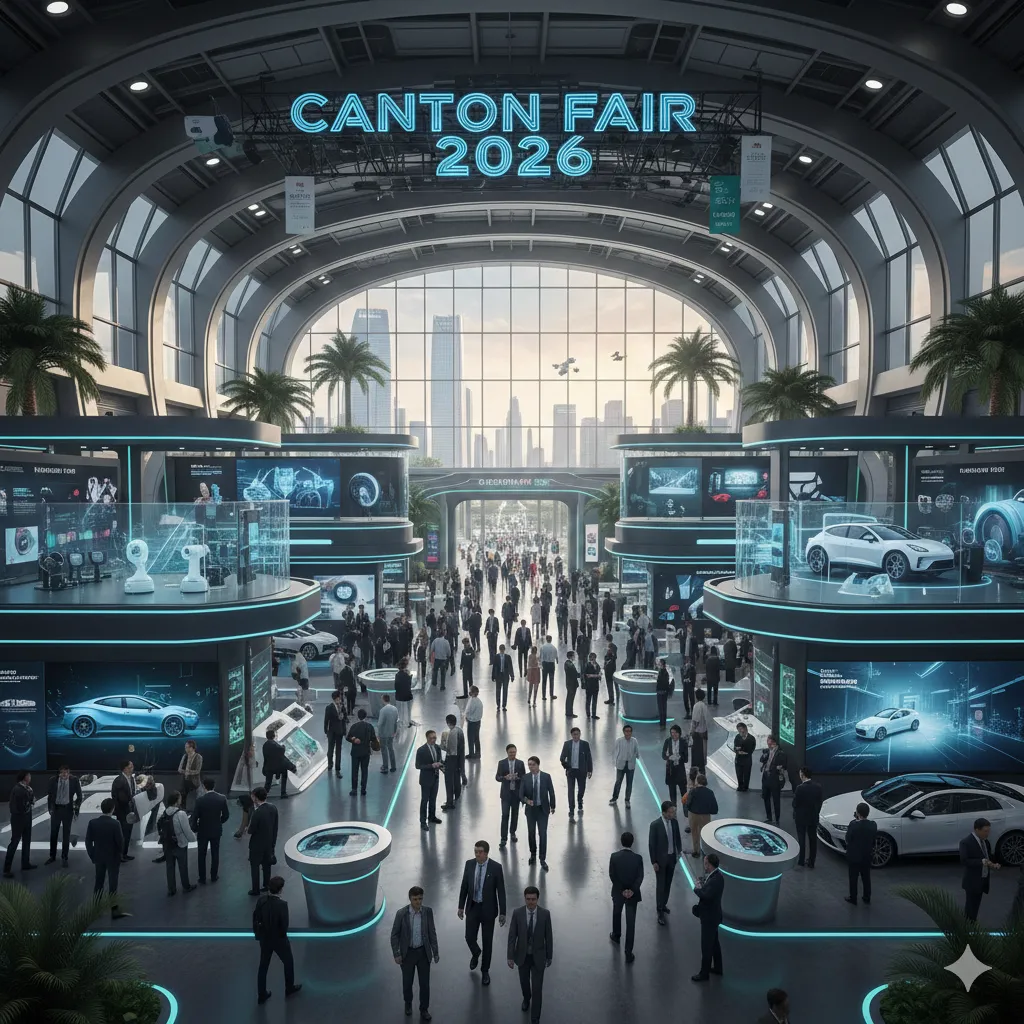
What Is the Canton Fair and Why Should You Care?
The China Import and Export Fair, commonly known as the Canton Fair, has been running twice a year since 1957 that’s nearly 70 years of connecting global buyers with Chinese manufacturers. Held in Guangzhou at the massive Pazhou Complex spanning 1.5 million square metres, this event hosts over 25,000 exhibitors and displays 4.6 million products each session.
Why does this matter to you? Because face-to-face supplier meetings give you negotiating power you simply can’t get through emails. You can inspect products firsthand, compare pricing across hundreds of suppliers, and build relationships that could transform your business for years to come.
Canton Fair 2026 Dates: Mark Your Calendar
Planning your trip starts with knowing the exact dates. The Canton Fair 2026 operates in two sessions Spring and Autumn each divided into three specialized phases.
Spring Session 2026 (139th Edition)
- Phase 1: April 15–19, 2026 (Electronics, machinery, hardware, new energy)
- Phase 2: April 23–27, 2026 (Consumer goods, gifts, home décor, furniture)
- Phase 3: May 1–5, 2026 (Textiles, garments, medical products, children’s items)
Autumn Session 2026 (140th Edition)
The exhibition halls are open from 9:30 AM to 6:00 PM daily, including weekends. Each phase runs for five consecutive days, so choose the one that aligns with your sourcing needs.
Which Phase Should You Attend?
Selecting the right phase can make or break your sourcing trip. Here’s a breakdown to help you decide:
Pro Tip: If your business spans multiple categories, consider attending more than one phase. Your buyer badge grants access to all phases.
How to Register for Canton Fair 2026
Registration is free online, but showing up unprepared could cost you time and money. Here’s the step-by-step process:
- Create an account on the official Canton Fair Buyer Service System using your email address
- Complete your profile with personal and company information to verify buyer status
- Apply for your buyer badge through the system
- Request your invitation letter for visa purposes you can download and print the e-invitation
- Collect credentials on-site by presenting your QR code, valid passport, and business card
If you register on-site instead of online, you’ll pay approximately 100 RMB (around $15 USD) for the badge. Online registration eliminates this fee.
Visa Requirements: Don’t Skip This Step
China requires most foreign visitors to obtain a visa before entry. For attending the Canton Fair, you’ll need an M Visa (Business Visa).
Required Documents
- Valid passport with at least 6 months remaining validity and 2 blank pages
- Recent passport-sized color photo with white background (33x48mm)
- Official invitation letter from Canton Fair organizers
- Completed online visa application form
- Company business license copy and signed letter explaining travel purpose
- Proof of confirmed flights and hotel bookings
Important: Start your visa application at least 4-6 weeks in advance. Processing takes approximately 4 working days at Chinese Visa Application Centres, and expedited service is not available for Canton Fair visas.
Critical Mistakes That Will Ruin Your Canton Fair Experience
Having helped thousands of businesses navigate this event, sourcing experts have identified the most devastating mistakes first-timers make. Avoid these at all costs:
Mistake #1: Arriving Without a Battle Plan
The Canton Fair spans 2.4 million square metres with over 25,000 suppliers. Without a clear understanding of the layout, you’ll waste valuable time wandering aimlessly. Study the fair map before arrival and identify key areas that align with your business goals.
Your Fix: Download the official Canton Fair app to locate booths, check schedules, and access exhibitor directories. Research exhibitors beforehand and shortlist the ones you want to meet.
Mistake #2: Forgetting Critical Documents
Important documents like passports, visas, and invitation letters are often overlooked during packing. Double-check all required paperwork before departure and use a checklist.
Essential Checklist:
- Canton Fair invitation letter
- Business cards (bring plenty 300+ for serious sourcers)
- Comfortable walking shoes
- Notebook and phone with translation apps
- Pre-researched exhibitor list with booth numbers
- Power bank for device charging
Mistake #3: Poor Time Management
Lingering at one booth wastes valuable time when thousands of exhibitors are waiting. Set a timer for each booth visit 15-20 minutes maximum and keep conversations focused on key business needs.
Pro Tip: Arrive early to avoid crowds and avoid attending on the first or last day of each phase when congestion peaks.
Mistake #4: Obsessing Over Low Prices
Here’s a painful truth: suppliers quoting 30% below market rates often bait-and-switch materials. The cheapest price frequently means substandard materials and poor craftsmanship.
Better Strategy:
- Calculate total landed cost (includes shipping, tariffs, quality control)
- Compare at least 3-5 suppliers before committing
- Focus on value, not just price
Mistake #5: Blind Trust in Samples
Here’s a shocking statistic 48% of mass-produced goods deviate from approved samples. That beautiful product you saw at the booth might look completely different when 10,000 units arrive at your warehouse.
Safeguards:
- Request third-party lab testing
- Arrange 3-stage QC inspections (pre-production, during production, pre-shipment)
- Always verify certifications and compliance documents
Mistake #6: Accepting “Flexible” MOQs Without Clarity
Vague minimum order quantities often hide subcontracting risks. Be specific about MOQ, lead times, and payment terms during negotiations.
Contract Must-Haves:
- Penalty clauses for MOQ changes
- Raw material source guarantees
- Clear quality standards and inspection requirements
7 Questions You Must Ask Every Supplier
Face-to-face meetings are your best opportunity to vet suppliers. Use these questions to separate reliable manufacturers from risky middlemen:
- “Are you a trading company or factory?” – This helps verify if they’re an OEM factory or just a middleman
- “How many workers are in your factory?” – Tests their actual production capacity
- “Which markets do you supply?” – Reveals their export experience
- “Do you supply major retailers or licensed brands?” – Indicates quality standards
- “What’s your production lead time for 10,000 units?” – Tests efficiency
- “Can you show test reports or certifications?” – Ensures compliance with your market’s regulations
- “How do you handle quality issues?” – A good supplier should have a clear return/replacement policy
Supplier Verification: Your Quality Scorecard
Create a simple scoring system to compare suppliers objectively:
- Production Capability – Can they meet your quantity and quality standards?
- Experience & Clients – Have they worked with well-known brands?
- Certifications – Do they have CE, FDA, ISO, or industry-specific certificates?
- MOQ & Pricing – Are trial orders accepted? Is pricing competitive?
- Communication – Are they responsive and clear in answering questions?
Rate each supplier from 1-5 on these categories. This helps you shortlist after the fair when memories blur together.
Accommodation and Travel Tips
Hotels near the Canton Fair venue sell out fast travel costs can increase by up to 100% if you book within 30 days of the fair. Plan early.
Recommended Hotels Near Pazhou Complex
Luxury Options:
- Westin Pazhou (inside exhibition center)
- Langham Place (2.5 km away)
- Hilton Guangzhou Baiyun (8 km away)
Mid-Range:
Budget Options:
Getting to the Venue
The most convenient option is Metro Line 8. From Guangzhou Baiyun International Airport, take Metro Line 3 to Tiyu Xilu, then transfer to Line 8 toward Pazhou Station, which connects directly to the exhibition complex.
Post-Fair Follow-Up: Where Deals Are Won or Lost
The biggest mistake many first-timers make? Generic follow-ups or worse no follow-up at all.
Contact suppliers within one week after the fair. They meet hundreds of buyers during the event, so reaching out quickly shows you’re serious and keeps the conversation moving.
Post-Fair Action Plan
- Organize collected materials immediately group business cards by priority and product type
- Match cards with notes and product photos you took at booths
- Send personalized emails referencing specific conversations
- Request samples before placing large orders
- Arrange factory visits for potential long-term partnerships
For additional sourcing insights and tile industry trends, resources like tilesblog.com offer valuable guidance for buyers exploring ceramic and building materials at Phase 2.
Who Should Attend Canton Fair 2026?
The Canton Fair isn’t for everyone, but it’s invaluable for:
- Large-scale importers and retail chains expanding product lines
- Small business owners and e-commerce sellers seeking new products
- Professionals who want face-to-face supplier negotiations
- Anyone sourcing directly from Chinese manufacturers
Your Canton Fair 2026 Success Checklist
Before you go:
- Register online (free) and download invitation letter
- Apply for M Visa 4-6 weeks in advance
- Book accommodation at least 1 month early
- Research exhibitors and create shortlist with booth numbers
- Prepare 300+ business cards
- Download Canton Fair app and translation tools
- Pack comfortable shoes and power bank
Ready to transform your sourcing strategy? The Canton Fair 2026 offers an exceptional opportunity to connect with suppliers, discover trending products, and negotiate deals that could scale your business globally. But only if you prepare properly.
FAQs About Canton Fair 2026
Is the Canton Fair free to attend?
Online registration is free. If you register on-site, expect to pay approximately 100 RMB (around $15 USD) for the buyer badge.
Can I attend without a business?
No. The Canton Fair is designed exclusively for business professionals buyers, importers, exporters, and industry representatives. You’ll need to provide company credentials during registration.
How many days should I allocate for the fair?
Plan for at least 3-4 days per phase you’re attending. The venue is massive, and rushing through will cause you to miss valuable suppliers.
Do I need a translator?
Many exhibitors have basic English skills, but hiring a professional translator significantly improves negotiation outcomes. Translation apps like WeChat’s built-in feature support 18 languages.
What’s the biggest mistake first-timers make?
Arriving without a sourcing strategy, getting distracted by flashy booths or low prices, and failing to follow up after the fair are the most common errors. Preparation is everything.