

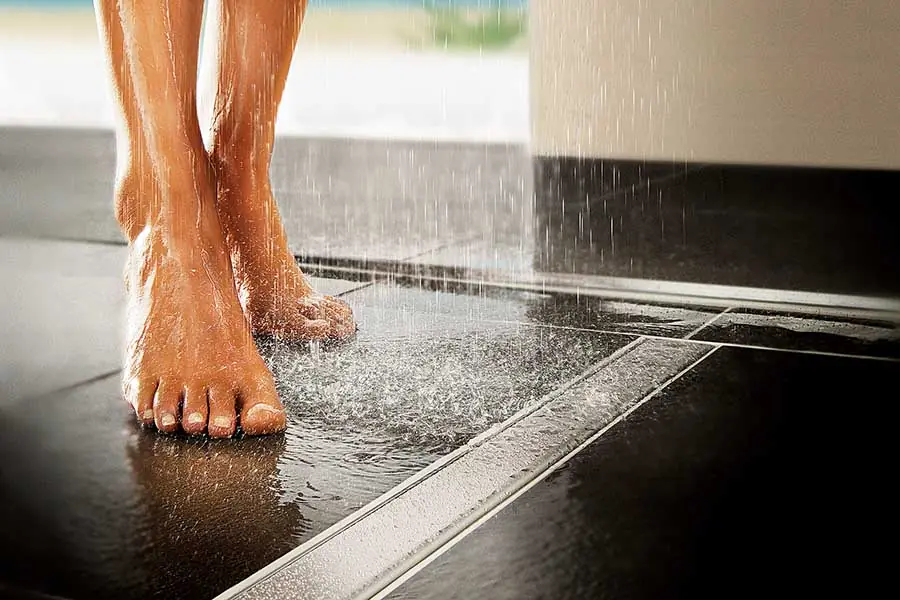
The global flooring industry is currently witnessing a massive technological pivot as manufacturers race to reconcile high-end aesthetic appeal with rigorous safety protocols. For decades, homeowners and commercial developers were forced to choose between sleek, easy-to-clean surfaces and the gritty, textured finishes required for safety. However, new breakthroughs in surface engineering have effectively eliminated this compromise. Industry experts report that the latest generation of bathroom tile with slip resistance now utilizes micro-texturing and advanced glaze chemistry to provide maximum grip without the maintenance headaches of the past.
This shift comes at a critical time as slip-and-fall accidents continue to account for a significant percentage of household injuries. Modern tile technology has evolved to provide a stylishly gripped surface that feels smooth to the touch under dry conditions but activates high-friction properties when wet. According to recent market analysis, the demand for high-performance porcelain and luxury vinyl has surged, driven by an aging population and a renewed focus on “aging-in-place” home modifications. Professionals are no longer viewing slip resistance as a utilitarian add-on, but as a fundamental pillar of modern interior architecture.
The Technological Breakthrough: From Grit to Nano-Texture
Traditionally, achieving a high Coefficient of Friction (COF) required a physically abrasive surface. These older styles of bathroom tile with slip resistance were notorious for trapping dirt, grime, and soap scum, making them a nightmare for residential maintenance. As the industry moves toward more sophisticated manufacturing, “nano-grip” surfaces have emerged. These surfaces use microscopic irregularities that are invisible to the naked eye but provide essential traction for the human foot.
The evolution of ceramic engineering has allowed for the creation of tiles that mimic natural stone or polished concrete while maintaining a high safety rating. This is achieved through a specialized firing process where the glaze is fused with anti-slip minerals at extreme temperatures. The result is a surface that is chemically bonded to be slip-resistant, rather than just coated. This ensures that the safety properties do not wear off over time, even in high-traffic environments like master ensuites or commercial spa facilities.
Understanding the Ratings: R-Values and PTV
For consumers and contractors alike, navigating the technical specifications of flooring can be daunting. Industry leaders now provide comprehensive slip resistance ratings with all floor products to clarify where and how they should be utilized. The two most common metrics are the “R” rating (Ramp Test) and the PTV (Pendulum Test Value).
The R-rating scale typically ranges from R9 to R13. While an R9 tile is suitable for dry areas like hallways, a bathroom tile with slip resistance usually requires an R10 or R11 rating. For walk-in showers or “wet rooms” where standing water is a constant presence, R11 or R12 is often the recommended standard. The Pendulum Test Value (PTV) is increasingly favored by safety consultants because it mimics the action of a slipping heel on both wet and dry surfaces, providing a more accurate real-world safety profile.
| Rating Category | Slip Resistance Level | Recommended Application |
|---|---|---|
| R9 | Low Friction | Dry domestic areas, living rooms |
| R10 | Normal Friction | Bathrooms, kitchens, laundry rooms |
| R11 | Increased Friction | Walk-in showers, pool surrounds, patios |
| R12/R13 | Very High Friction | Commercial kitchens, industrial ramps |
Material Selection: Porcelain vs. Luxury Vinyl
When selecting a bathroom tile with slip resistance, material composition is as vital as the surface texture. Porcelain remains the “gold standard” for high-moisture environments due to its near-zero porosity. In specialized markets, such as slip-resistant porcelain tile in Alpharetta, GA, contractors are increasingly pairing these materials with comprehensive remodeling schedules to ensure that the subflooring and drainage systems are perfectly aligned with the tile’s performance capabilities.
However, the rise of luxury vinyl tiles (LVT) has disrupted the traditional market. Vinyl tiles represent a cost-effective and water-resistant option that often comes with a pre-applied textured wear layer. While porcelain offers unmatched durability and heat resistance, vinyl provides a “warmer” feel underfoot and a softer landing surface, which can be a critical safety factor in preventing injury if a fall does occur. Analysts suggest that the choice between porcelain and vinyl often comes down to budget and the specific structural requirements of the building.
The Role of Grout and Installation Geometry
An overlooked aspect of slip resistance is the role of grout lines. Smaller tiles, such as mosaics, naturally provide more grip because the frequency of grout lines creates a “tread” pattern for the foot. When using large-format bathroom tile with slip resistance, the quality of the installation becomes even more critical. Proper leveling (ensuring no “lippage” between tiles) and the use of high-performance epoxy grouts can enhance the overall stability of the floor.
Architects are now recommending a “zonal” approach to bathroom design. This involves using a standard R10 tile for the main vanity area and transitioning to a high-traction R11 mosaic within the shower enclosure. This strategic layering of materials ensures safety where it is needed most without sacrificing the visual continuity of the room.
Retrofitting and Aftermarket Solutions
Not every homeowner has the budget for a full-scale renovation. For those dealing with existing slippery surfaces, the industry has developed several high-performance aftermarket solutions. While not as permanent as installing new tile, these treatments can significantly lower the risk of accidents. For example, some specialized abrasive tapes and coatings provide anti-slip solutions through enhanced foot traction and slip resistance on otherwise hazardous surfaces.
These solutions include chemical etching treatments, which microscopically roughen the surface of ceramic or porcelain, and clear anti-slip coatings that add a “beaded” texture to the floor. While effective, experts warn that these treatments require periodic re-application and can slightly alter the sheen of the tile. For long-term liability management and property value, a factory-engineered bathroom tile with slip resistance remains the superior choice.
Economic Impact and Property Value
The shift toward safer flooring is also being driven by the real estate market. Homes featuring “Universal Design”—a framework for making products and environments accessible to all people—often command a premium. Buyers are increasingly savvy about the hidden costs of poor design, and a bathroom outfitted with high-rated bathroom tile with slip resistance is seen as a sign of quality construction and foresight.
Furthermore, in the commercial sector, the installation of certified anti-slip surfaces is a primary defense against personal injury litigation. Insurance providers are increasingly scrutinizing flooring specifications in hotels, hospitals, and retirement communities. By investing in the latest safety-certified porcelain and vinyl, property owners can significantly reduce their risk profile and insurance premiums.
Maintenance and Long-Term Performance
One of the most persistent myths is that slip-resistant tiles are impossible to keep clean. While this may have been true for the “sandpaper” finishes of the 1990s, modern manufacturing has solved this issue. The key to maintaining a bathroom tile with slip resistance is avoiding the use of wax-based cleaners or “mop-and-shine” products that leave a film. These films can fill in the micro-textures of the tile, effectively negating its anti-slip properties.
Instead, industry professionals recommend pH-neutral cleaners and micro-fiber mopping systems. For deeper cleans, a soft-bristled brush can be used to agitate any stubborn dirt trapped in the texture. Because modern porcelain is fired at such high temperatures, it is incredibly resistant to staining and chemical damage, ensuring that the safety features remain intact for the life of the building.
As we look toward the future of interior design, the integration of safety and style appears to be the new baseline. With the advent of digital printing technology, manufacturers can now replicate the look of Carrara marble or weathered oak on surfaces that offer world-class grip. The result is a safer, more resilient built environment that does not ask the user to choose between their aesthetic vision and their physical well-being.
The ongoing research and development in this sector suggest that we are only at the beginning of a “safety revolution” in home materials. As the technology continues to mature, we can expect even more sophisticated bathroom tile with slip resistance options to hit the market, further blurring the line between functional safety equipment and luxury home decor.

