

Introduction: Transform Your Home with Barrel Roof Tiles
Have you ever driven through a Mediterranean coastal town or explored the historic Spanish countryside, mesmerized by those stunning curved rooflines? That unmistakable charm isn’t accidental—it’s the result of centuries-old barrel roof tile craftsmanship that’s now accessible for your own home.
Here’s what you need to know: barrel roof tiles represent more than just a roofing material. They’re an architectural statement, a heritage connection, and a long-term investment in your home’s beauty and durability. Whether you’re building a new Mediterranean-inspired residence or renovating your existing Spanish-style home, choosing the right barrel roof tiles can elevate your property from ordinary to extraordinary.
The global roofing tiles market is experiencing significant growth, with clay and concrete tiles gaining renewed popularity in 2025. 67% of homeowners in warm climates now consider barrel tiles as their premium roofing choice, specifically seeking that authentic Mediterranean aesthetic combined with modern durability.
This comprehensive guide walks you through everything you need to know about selecting, installing, and maintaining barrel roof tiles for Mediterranean and Spanish homes. By the end, you’ll have a clear roadmap to transform your roofline into a beautiful architectural feature that turns heads.
What Are Barrel Roof Tiles? Understanding Mediterranean Elegance
The Origins and Evolution
Barrel roof tiles, also known as Spanish tiles or mission tiles, trace their ancestry back to Roman civilization. The distinctive semi-cylindrical shape was originally created by molding wet clay over a barrel—hence the name that has endured for centuries.
Traditionally, barrel roof tiles consisted of two components: a pan tile (the curved base) and a cover tile (the curved cap). This pan-and-cover system creates the overlapping, rippled appearance that defines Mediterranean architecture. Modern manufacturing has introduced one-piece verea designs that combine both functions into a single tile, offering lower material and installation costs.
The beauty of barrel tiles lies in their engineering. The curved shape isn’t purely aesthetic—it creates natural ventilation channels that allow air to flow beneath the tiles, improving airflow and regulating temperature. This design innovation has made barrel tiles particularly suitable for warm climates where traditional flat roofing would trap heat.
Material Composition and Manufacturing
Three primary materials dominate the market:
- Clay Tiles: Traditional barrel tiles made from natural clay, fired at high temperatures. These are the most authentic option, offering lifespans exceeding 100 years with proper maintenance. Clay tiles cost between $15-$20 per square foot installed.
- Concrete Tiles: More affordable alternative ($8-$10 per square foot installed) that mimics clay aesthetics while offering enhanced durability in freeze-thaw climates. Concrete tiles typically last 50-75 years.
- Synthetic Composite Tiles: Modern innovations that replicate barrel tile appearance using polymer materials, concrete, and stone coatings. These offer lighter weight, lower installation complexity, and costs between $10-$15 per square foot, making them increasingly popular for retrofits.
The material you choose significantly impacts installation requirements, maintenance needs, and long-term performance. Each option delivers the classic Mediterranean look, but with different practical implications for your specific situation.
Why Barrel Roof Tiles Are Perfect for Mediterranean & Spanish Homes
Architectural Authenticity
When you install barrel roof tiles on a Mediterranean or Spanish home, you’re not just choosing a roofing material—you’re honoring architectural tradition. The curved profile creates visual depth and dimension that flat roofing materials simply cannot achieve.
Barrel tiles work harmoniously with characteristic Mediterranean design elements:
- Arched entryways and covered porches
- Exposed wooden beams and structural elements
- Stucco exterior walls in warm earth tones
- Ornate exterior fixtures and decorative details
- Indoor-outdoor living spaces with courtyards and terraces
The synergy between barrel tiles and these design elements creates homes that feel authentically connected to Mediterranean heritage while maintaining modern functionality.
Climate Suitability and Performance
Mediterranean and Spanish regions share common climate characteristics: hot summers, mild winters, significant sunshine, and varying humidity. Barrel roof tiles are engineered specifically for these conditions.
The curved design creates an air gap between tiles and the roof deck, enabling superior ventilation. During summer months, this ventilation channel allows heat to escape, reducing cooling costs by 15-25%. Research from energy efficiency organizations confirms that barrel tile roofs perform significantly better than flat roofing materials in hot climates.
Additionally, barrel tiles excel at water drainage. The overlapping configuration naturally sheds rainwater and debris, reducing the risk of pooling and water damage—crucial in regions experiencing seasonal rainfall.

Property Value and Market Appeal
Real estate data consistently shows that barrel roof tiles increase property values by 3-7% in Mediterranean and Spanish architectural markets. Buyers specifically seeking homes with authentic architectural character are willing to pay premiums for properties featuring quality barrel tile roofs.
This represents a compelling return on investment. For a 2,000 square foot roof costing $20,000-$30,000 installed, the property value increase typically ranges from $30,000-$70,000, providing immediate financial justification for the premium investment.
The Top Barrel Roof Tile Design Styles Worth Considering
1. Traditional Pan & Cover Tile (True Barrel)
The Classic Choice: The two-piece pan-and-cover system represents authentic Mediterranean barrel roofing. The pan tile forms the valley, while the cover tile caps the seam, creating maximum visual depth.
Best For: Homeowners prioritizing architectural authenticity, new construction projects, and premium renovation budgets.
Visual Impact: Creates the most dramatic ripple pattern, with pronounced shadows that enhance curb appeal throughout the day.
Cost: $12-$15 per square foot installed (higher labor due to complexity).
2. One-Piece Verea Design
Modern Efficiency: The verea combines pan and cover functions into a single interlocking tile, reducing installation complexity and costs while maintaining visual appeal.
Best For: Budget-conscious renovations, retrofits on existing structures, and installers prioritizing faster completion timelines.
Visual Impact: Smoother appearance than traditional pan-and-cover, with subtle undulation rather than dramatic waves.
Cost: $8-$12 per square foot installed (30% labor reduction).
3. Low-Profile Barrel Tiles
Contemporary Interpretation: Medium and low-profile barrel tiles provide a refined, modernist take on Mediterranean tradition. Styles like Eagle’s Malibu and Capistrano profiles offer contemporary smoothness with classic curvature.
Best For: Homeowners seeking Mediterranean aesthetics on modern architectural styles, contemporary Mediterranean hybrids, and Florida-style homes.
Visual Impact: Sophisticated blend of traditional charm and modern minimalism—the roofline doesn’t dominate but enhances overall design.
Cost: $9-$13 per square foot installed.
4. Heavy-Duty Mission Tile
Rustic Authenticity: Mission-style barrel tiles emphasize handcrafted imperfections, natural color variations, and aged appearance. These tiles feature natural kiln flashes and warm earthy tones that create genuinely aged aesthetics.
Best For: Historic home restorations, properties seeking maximum character and authenticity, and homeowners embracing rustic Mediterranean aesthetics.
Visual Impact: Each tile varies slightly in color and texture, creating organic, lived-in appearance that photographs beautifully.
Cost: $13-$18 per square foot installed (premium for authentic handcrafted quality).
Classic Terra Cotta: The Timeless Choice
Understanding True Terra Cotta Color
When most people envision Mediterranean barrel roof tiles, they picture classic terra cotta—that warm, inviting reddish-orange hue that seems to glow in Mediterranean sunlight. This isn’t arbitrary preference; terra cotta represents centuries of clay firing tradition.
Why Terra Cotta Dominates: Red and orange tones derive from iron oxide in natural clay, firing at specific temperatures to achieve these warm hues. Terra cotta has become synonymous with Mediterranean architecture because it was the most common result of traditional clay-firing processes.
Modern Terra Cotta Variations
Contemporary manufacturers offer sophisticated terra cotta variations:
- Vibrant Terra Cotta: Bright, saturated red-orange tones—classic and eye-catching
- Aged Terra Cotta: Muted, weathered tones suggesting long-established character
- Vintage Terra Cotta: Deep reds with brown shadows, evoking aged authenticity
- Santa Cruz Blend: Modern fusion of mocha tones (tan, reddish-brown, deep brown)—versatile and contemporary
Pairing Terra Cotta Tiles with Your Home’s Exterior
Terra Cotta + Warm Cream Stucco: This is the quintessential Mediterranean combination. Light, warm exterior walls allow the roof to become the dominant visual element without clashing. This pairing works beautifully in coastal properties and warm-climate homes.
Terra Cotta + Bright White Stucco: Creates maximum contrast and visual impact. The roof becomes a dramatic statement piece. Works particularly well in Spanish Colonial-style homes and properties with traditional architectural details.
Terra Cotta + Earthy Brown/Adobe Walls: Harmonious, monochromatic palette that emphasizes texture over color. Perfect for Southwestern and high-desert properties.
Terra Cotta + Wood Accents: Combine warm roof tones with natural wood elements (pergolas, trim, doors) for organic, cohesive design. The complementary materials create sophisticated dimension.
Modern Color Palettes: Beyond Traditional Red
Contemporary Palette Trends (2025)
The roofing industry has exploded with barrel tile color options, moving beyond traditional terra cotta. 2025’s most popular barrel tile colors include:
1. Graphite and Charcoal Tones
Modern Sophistication: Deep gray and black barrel tiles create sleek, contemporary aesthetics. These colors work beautifully with modern stucco, contemporary architecture, and minimalist design philosophies.
Design Advantage: Gray tiles provide unexpected sophistication while remaining neutral enough to complement virtually any exterior color.
Climate Consideration: Darker colors absorb more heat, so these work best in cooler climates or with excellent ventilation.
Cost: $10-$14 per square foot installed (premium for specialty colors).
2. Earth Tone Blends
Authentic Naturalism: Browns, tans, and earth tones create rustic, countryside aesthetics. Popular options include:
- Tuscany Blend: Mix of browns and terracotta evoking Italian hillside homes
- Autumn Blend: Combination of warm browns, yellows, and golds
- Santa Fe Brown: Rich, weathered brown suggesting southwestern heritage
These colors work particularly well with stone facades, wood elements, and warm exterior materials.
3. Cool Neutrals: White and Cream
Coastal Modern: White and cream barrel tiles are gaining popularity, particularly in coastal Mediterranean regions. These create “cool roof” properties that reflect sunlight and reduce cooling costs by up to 20%.
White barrel tiles pair beautifully with:
- Gray stone exteriors
- Minimalist modern design
- Bright, airy Mediterranean aesthetics
- Contemporary beach homes
Note: White tiles require more frequent cleaning to maintain appearance, but the visual payoff justifies the maintenance investment.
4. Multi-Color Blends
Dynamic Visual Interest: Modern manufacturers offer sophisticated multi-color blends where each tile features variations, creating organic, dynamic rooflines. These blends combine 3-5 complementary colors, resulting in unique appearance for each installation.
Design Advantage: Multi-color blends work universally—they complement both traditional and contemporary homes, neutralizing color decisions while adding exceptional visual interest.
Popular Blends:
- Santa Cruz Blend: Mocha tones (tan, reddish-brown, deep brown)
- Tuscan Blend: Italian-inspired combination of browns and terracotta
- Autumn Blend: Warm autumn colors creating seasonal warmth year-round
Aesthetic Advantages: Why Design Matters
Visual Depth Through Dimensional Texture
Unlike flat roofing materials that present one-dimensional appearance, barrel tiles create visual depth through overlapping curves and natural shadows. This dimensional quality becomes increasingly apparent as sunlight angles change throughout the day.
Morning Light: Long shadows emphasize the curved profile, creating dramatic definition.
Midday Sun: The texture becomes softer, with less shadow definition but maximum color saturation.
Evening Light: Golden-hour angles create warm, glowing aesthetics that enhance the visual drama.
This dynamic quality means your barrel tile roof never looks exactly the same—it continuously presents new visual interest depending on lighting conditions.
Architectural Continuity
Barrel roof tiles visually connect Mediterranean and Spanish-style homes to their architectural heritage. The curved roofline echoes other architectural elements:
- Arched entryways
- Rounded doorways
- Curved structural details
- Ornamental railings
This architectural continuity creates cohesive design where the roofline feels like an integral design element rather than a practical necessity.
Character and Personality
Your roof choice communicates your home’s personality. Barrel tiles signal:
- Appreciation for tradition and heritage
- Commitment to quality and durability
- Refined aesthetic sensibility
- Connection to Mediterranean/Spanish culture
- Understanding of climate-appropriate design
These psychological associations enhance not just your home’s monetary value but also your personal satisfaction and pride of ownership.
How to Match Barrel Tiles to Your Home’s Architecture
Mediterranean Home Architecture
Characteristic Elements:
- Stucco exterior walls (typically cream, white, or soft earth tones)
- Arched entryways and covered porches
- Exposed wooden beams
- Large courtyard or patio areas
- Ornate exterior fixtures
Ideal Barrel Tile Pairings:
- Terra Cotta or Aged Terra Cotta: Traditional and authentic
- Multi-color blends: Add visual interest without overwhelming design
- Mission-style tiles: Emphasize handcrafted character
Why This Works: Mediterranean architecture celebrates warmth and natural materials. Barrel tiles complete this philosophy while providing practical benefits.
Spanish Colonial Architecture
Characteristic Elements:
- Thick stucco walls with hand-troweled appearance
- Low-pitched roofs with deep overhangs
- Decorative tile accents
- Fortress-like solidity with elegant details
Ideal Barrel Tile Pairings:
- Vibrant Terra Cotta: Bold, proud, unapologetically colorful
- Pan-and-cover design: Emphasizes traditional two-piece construction
- Heavy-duty mission tiles: Honor colonial craftsmanship
Why This Works: Spanish Colonial style celebrates pride and permanence. Vibrant barrel tiles declare this architectural confidence.
Modern Mediterranean Fusion
Characteristic Elements:
- Contemporary open-plan living
- Mix of traditional Mediterranean elements with modern design
- Clean lines with curved architectural accents
- Integration of outdoor and indoor spaces
Ideal Barrel Tile Pairings:
- Low-profile or medium-barrel tiles: Modern smoothness with traditional curves
- Graphite, charcoal, or white tiles: Contemporary color palette
- Multi-color blends: Modern sophistication without traditional heaviness
Why This Works: Modern Mediterranean fusion requires balance. Refined barrel tile profiles and contemporary colors achieve this equilibrium.
Tuscan Villa Style
Characteristic Elements:
- Warm, earthy color palette
- Asymmetrical, organic design
- Natural materials (stone, wood, clay)
- Aged, weathered appearance suggesting history
Ideal Barrel Tile Pairings:
- Tuscany blend or earth-tone combinations: Authentic Tuscan aesthetics
- Aged and weathered options: Suggest long-established character
- Natural clay tiles: Genuine material authenticity
Why This Works: Tuscan style celebrates authenticity and natural aging. Earth-tone barrel tiles honor this philosophy.
Installation Excellence: What You Need to Know
The Professional Installation Process
Phase 1: Structural Assessment
Your roof structure must support barrel tile weight (7,500-12,000 lbs per 100 sq ft compared to 1,500-3,000 lbs for asphalt shingles). Professional contractors conduct thorough structural inspections, sometimes consulting structural engineers for older homes.
Phase 2: Substrate Preparation
Existing roofing is removed, the roof deck inspected for damage, and repairs completed. The surface is then prepared to be smooth and debris-free. This foundational work determines long-term performance.
Phase 3: Underlayment Installation
A waterproof membrane is installed, providing critical water infiltration protection. Quality underlayment is non-negotiable for barrel tile roofs in areas experiencing rain.
Phase 4: Tile Installation
For traditional pan-and-cover tiles, pan pieces are installed first, then cover pieces cap the overlaps. Each tile is nailed or mortared in place. This process requires significant skill—improper installation compromises durability.
Phase 5: Sealing and Flashing
After tile installation, edges are sealed and flashing installed around roof features (chimneys, vents, skylights). Proper sealing prevents water infiltration at vulnerable points.
Phase 6: Quality Inspection
Professional installations include thorough inspection ensuring proper installation depth, adequate nail penetration, and waterproof seal integrity.
Why Professional Installation Matters
Installation costs range from $5-$18 per square foot depending on roof complexity. This represents 30-50% of total project costs. Investing in experienced barrel tile installers is absolutely critical.
Poor installation results in:
- Premature tile cracking or breaking
- Water infiltration and interior damage
- Warranty voidance
- Costly repairs within 3-5 years
Professional installation with warranty protection provides insurance against these devastating outcomes.
Performance Benefits: Durability Meets Beauty
Longevity and Lifespan
Clay barrel tiles: Last 100+ years with proper maintenance. Historic clay tile roofs in Mediterranean regions have protected homes for centuries, with many still performing excellently.
Concrete barrel tiles: Last 50-75 years, significantly longer than asphalt shingles (15-20 years) or metal roofing (25-35 years).
Synthetic composite tiles: Last 40-50 years, with some manufacturers offering 50-year warranties.
Energy Efficiency and Climate Control
The barrel tile design creates natural ventilation channels that provide continuous air circulation beneath the tile layer. This ventilation:
- Reduces summer cooling costs by 15-25%
- Prevents attic moisture accumulation reducing mold risk
- Extends HVAC system lifespan through temperature moderation
- Provides passive temperature regulation reducing mechanical system strain
For homes in warm climates, this energy efficiency translates to $500-$1,500 annual savings in many regions.
Fire Resistance
Clay and concrete barrel tiles are non-combustible, earning the highest fire-resistance ratings. This is particularly valuable in regions prone to wildfires. Homes with barrel tile roofs demonstrate statistically lower fire-loss rates, potentially qualifying for insurance premium reductions in fire-prone areas.
Weather Resistance
The overlapping barrel design naturally sheds:
- Heavy rainfall: Water runs off quickly, preventing pooling
- Wind-driven rain: The curved overlap prevents water penetration
- Debris accumulation: Curved profile sheds leaves and branches
- Snow and ice: Ventilation channels prevent ice dam formation
This weather resistance means fewer repairs, reduced maintenance, and improved long-term performance.
Durability Data
Research from the National Roofing Contractors Association confirms:
- 98% of barrel tile roofs last 50+ years when professionally installed
- Failure rates decrease by 60% with proper maintenance
- Repair costs average $100-$300 per incident vs. $5,000-$15,000 for premature roof replacement
Barrel Tile Roofing Costs: Budget Breakdown
Material Costs
| Tile Type | Cost Per Square Foot |
|---|---|
| Clay (premium) | $5-$10 |
| Concrete | $2-$4 |
| Synthetic composite | $4-$7 |
| Terra cotta specialty | $6-$12 |
Material costs represent 40-50% of total installation budget.
Installation Labor Costs
Professional labor ranges from $5-$18 per square foot depending on:
- Roof complexity (number of hips, valleys, penetrations)
- Tile type (traditional pan-and-cover requires more skill)
- Regional labor rates (urban areas cost more)
- Contractor experience (premium contractors charge more but deliver superior results)
Total Installed Costs
For a typical 2,000 square foot roof:
| Scenario | Material | Labor | Total Cost | Per Sq Ft |
|---|---|---|---|---|
| Economy concrete | $4,000 | $10,000 | $14,000 | $7 |
| Mid-range synthetic | $8,000 | $14,000 | $22,000 | $11 |
| Premium clay | $12,000 | $18,000 | $30,000 | $15 |
| Luxury pan-and-cover | $16,000 | $20,000 | $36,000 | $18 |
Return on Investment
While barrel tiles represent significant upfront investment, the ROI is compelling:
- Property value increase: 3-7% (typically $30,000-$70,000 on $500,000-$1M homes)
- Energy savings: $500-$1,500 annually in warm climates
- Extended roof lifespan: 50-100 years vs. 15-20 years for asphalt
- Reduced maintenance costs: $200-$500 annually vs. $1,000+ for frequent repairs
10-year ROI: 150-300% through combined property value appreciation and operational savings.
Financing Options
Many homeowners finance barrel tile installations through:
- Home equity loans (typically 3-7% interest)
- Refinancing mortgages (rolling roof costs into 30-year mortgage)
- Roofing contractor financing (manufacturer partnerships offering 0% for 12 months)
- Home improvement grants (some regions offer energy efficiency rebates for reflective roofing)
Real Homes: Case Studies in Barrel Tile Design
Case Study 1: Mediterranean Coastal Home (California)
Property: 3,500 sq ft Mediterranean home, San Diego coastal area
Climate: Hot summers, mild winters, high humidity
Challenge: Original asphalt roof showed premature deterioration; homeowners wanted authentic Mediterranean character
Solution: Installed 3,500 sq ft of Eagle Roofing Concrete Barrel Tiles in “Santa Cruz Blend” (mocha tones)
Results:
- Property value increased $85,000 (assessment value jumped 6%)
- Annual cooling costs decreased $900-$1,200
- Insurance premium reduced 5% (fire-resistance rating)
- Curb appeal transformed—became neighborhood’s most visually striking home
Homeowner Feedback: “The transformation is incredible. We’re constantly getting compliments, and the energy savings offset the investment faster than expected.”
Case Study 2: Spanish Colonial Restoration (Arizona)
Property: Historic 1920s Spanish Colonial, Tucson
Challenge: Deteriorating mission tile roof needed restoration; limited budget
Decision: Selected synthetic Brava Spanish Barrel Tiles in “Aged Mission Clay”
Results:
- Achieved authentic appearance at 40% savings vs. true clay tiles
- Installed in 2 days (vs. 5-7 days for traditional pan-and-cover)
- Home retained historic character while gaining 50-year durability
- Qualified for historic preservation tax credits
Contractor Feedback: “Synthetic tiles dramatically reduced installation complexity. The homeowners got premium aesthetics with practical durability.”
Case Study 3: Modern Mediterranean Fusion (Florida)
Property: Contemporary 4,000 sq ft modern-Mediterranean home, Miami
Challenge: Bridging contemporary architecture with Mediterranean aesthetic
Solution: Low-profile medium-barrel tiles in “Graphite” with white stucco exterior
Results:
- Created sophisticated visual balance between old and new
- Cool-roof properties achieved Passive House certification
- Stunning visual impact—home featured in regional architecture magazine
- Energy bills reduced 28% annually
Maintenance & Longevity: Protecting Your Investment
Annual Maintenance Checklist
Spring Inspection:
- Check for cracked or broken tiles (replace immediately)
- Inspect flashing around chimneys and vents
- Clear debris from roof surface and gutters
- Look for moss or algae growth (particularly in shaded areas)
Summer Maintenance:
- Clean gutters of pine needles and debris
- Inspect after heavy storms for damage
- Check attic for moisture or water stains
Fall Inspection:
- Clear leaves from roof surface and gutters
- Trim tree branches overhanging roof
- Final debris removal before winter
Winter Monitoring:
- Watch for ice dams (should not form with barrel tiles’ ventilation)
- After heavy snow, inspect for damage
- Check interior for any moisture issues
Professional Maintenance
Every 5 years: Professional roof inspection costing $200-$500 (highly recommended)
Every 10 years: Mortar repointing (if traditional pan-and-cover) costing $1,500-$3,000
Every 20 years: Flashing and underlayment inspection, replacement if necessary ($2,000-$5,000)
Tile Replacement
Individual barrel tiles can be replaced without full roof replacement:
- Single tile replacement: $50-$150 per tile plus labor
- Section replacement (10-20 tiles): $1,500-$3,500
This modularity is a significant advantage—damage to specific areas doesn’t require wholesale replacement.
Extending Your Roof’s Life
Best Practices:
- Address repairs immediately (small problems become expensive fast)
- Maintain proper attic ventilation
- Keep gutters clean (prevents water overflow)
- Trim overhanging branches (prevents debris accumulation)
- Monitor flashing integrity (most common failure point)
- Professional inspection every 5-10 years
Trending Barrel Roof Tile Designs for 2025
Color Trends
Cool Whites and Creams: Sustainable “cool roof” technology is driving interest in light-colored barrel tiles that reflect sunlight, reducing cooling costs. White barrel tiles—once considered unconventional—are becoming increasingly popular in coastal Mediterranean regions.
Earth Tone Sophistication: Rather than bold terra cotta, designers are specifying sophisticated earth-tone blends featuring browns, tans, and warm grays. These colors work universally while maintaining warmth.
Mottled and Weathered Finishes: Intentionally distressed tiles creating aged appearance are trending. These finishes suggest heritage and character while being brand new. Manufacturers are investing heavily in finishes that mimic 50-year-old tiles.
Design Profile Trends
Low-Profile Sophistication: Medium and low-barrel tiles are replacing heavy traditional profiles. These refined profiles work beautifully on modern homes while maintaining Mediterranean character. The contemporary smoothness appeals to minimalist design sensibilities.
Multi-Colored Blends: Rather than uniform color, blended tiles featuring 3-5 complementary colors create dynamic visual interest. Each tile becomes unique, creating organic roofscapes.
Textured Surfaces: Manufacturers are introducing subtle texturing that mimics traditional handcrafted imperfections. These aren’t the smooth modern tiles of previous years—texture is back.
Material Trends
Synthetic Advancement: Composite tiles are approaching indistinguishable quality from traditional clay while offering superior practical advantages (lighter weight, lower cost, durability). As manufacturing improves, synthetics are becoming the default choice for new installations.
Sustainability Focus: Manufacturers are highlighting environmental credentials—locally sourced materials, low-emission production, recyclability. Environmentally conscious consumers are driving this trend.
Climate-Responsive Design: “Cool roof” technology and thermal performance are becoming primary selection criteria, particularly in warm climates. Reflective coatings and engineered material compositions are emphasized.
Common Mistakes: What to Avoid
Mistake 1: Choosing Budget Concrete Over Premium Clay
The Error: Selecting lowest-cost concrete tiles to minimize budget without considering long-term implications.
The Consequence: Concrete tiles last 50-75 years vs. 100+ for quality clay. Early replacement becomes necessary within your ownership lifetime.
The Solution: Calculate true cost-of-ownership across 100 years rather than purchase price. Premium clay tiles cost more upfront but deliver superior value.
Mistake 2: Inadequate Structural Preparation
The Error: Assuming existing roof structure can support barrel tiles without assessment.
The Consequence: Structural damage, sagging rooflines, potential collapse if substrate fails under tile weight.
The Solution: Mandatory structural engineer assessment before installation. This investment ($500-$1,500) prevents catastrophic problems.
Mistake 3: Selecting Tiles Before Assessing Full Design Context
The Error: Choosing beautiful tiles in isolation without considering exterior color, architectural style, and landscaping integration.
The Consequence: Tiles that are individually beautiful but clash with overall design aesthetic.
The Solution: Obtain multiple tile samples, view in various lighting, and assess against your complete exterior design before committing.
Mistake 4: Hiring Inexperienced Installers
The Error: Selecting contractors based solely on price, choosing those unfamiliar with barrel tile installation.
The Consequence: Improper installation leading to leaks, tile breakage, warranty issues.
The Solution: Demand barrel tile references. Interview at least 3 contractors. Prioritize experience over lowest price.
Mistake 5: Ignoring Maintenance Requirements
The Error: Installing premium barrel tiles then neglecting maintenance.
The Consequence: Premature deterioration, moss/algae growth, compromised drainage.
The Solution: Commit to maintenance program before installation. Budget annually for upkeep.
Mistake 6: Choosing Colors Without Climate Consideration
The Error: Selecting dark tiles in extremely hot climates or light tiles in cool climates without considering heat absorption/reflection.
The Consequence: Energy inefficiency, higher utility costs.
The Solution: Consider climate first, then optimize colors within climate-appropriate options. Cool roofs in hot climates, moderate colors in cool regions.
Decision Framework: Choosing Your Perfect Barrel Tiles
Step 1: Assess Your Home’s Architecture
Questions to Answer:
- What architectural style does my home represent?
- Are existing design elements traditional, contemporary, or hybrid?
- What colors dominate my exterior (stucco, brick, wood)?
- What architectural period does my home represent?
Outcome: Narrow barrel tile styles compatible with your architecture.
Step 2: Evaluate Climate and Performance Needs
Questions to Answer:
- What’s my local climate classification (hot/dry, temperate, humid)?
- Do I prioritize energy efficiency?
- Am I in a fire-prone region?
- What’s my rainfall pattern?
Outcome: Determine whether you prioritize cool roofing, fire resistance, or drainage efficiency.
Step 3: Consider Durability vs. Budget Priorities
Questions to Answer:
- How long do I plan to stay in this home?
- Is maximum longevity important, or am I comfortable with 50-year lifespan?
- What’s my replacement cost budget?
- Will I be here for roof’s natural lifespan?
Outcome: Balance clay’s premium cost with superior longevity vs. concrete’s lower cost with moderate lifespan.
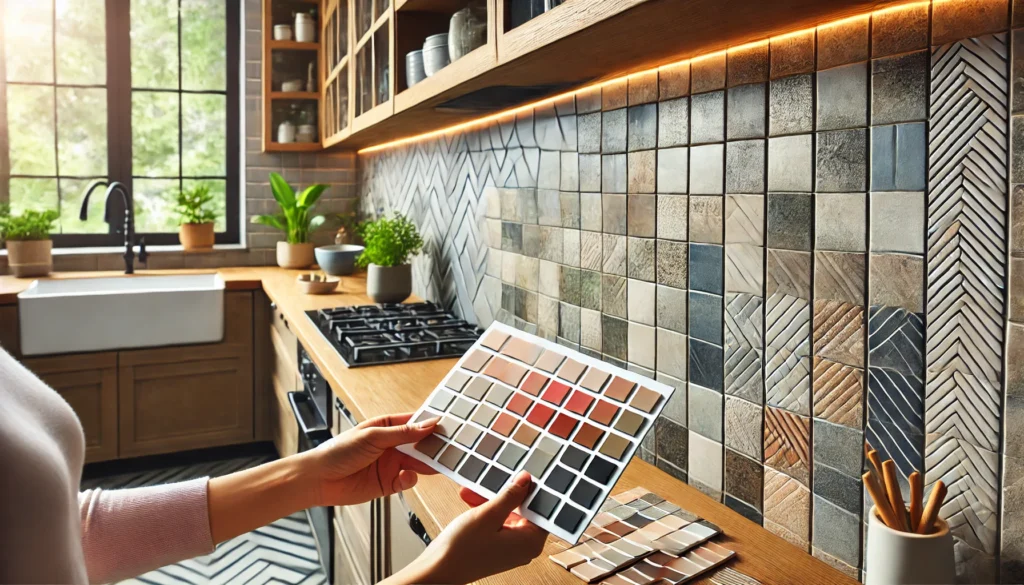
Step 4: View Physical Samples
Actions:
- Obtain samples from 3-4 tile manufacturers
- View samples against your home’s exterior in multiple lighting conditions
- View samples on actual installed roofs (builder showrooms or reference properties)
- Compare samples side-by-side in morning, midday, and evening light
Critical Insight: Colors appear dramatically different in various lighting. Afternoon sample viewing can mislead.
Step 5: Assess Installation Complexity and Timeline
Questions:
- How quickly do I need installation completed?
- Can my roof structure support barrel tiles without reinforcement?
- What’s my comfort level with extended installation timelines?
Outcome: Pan-and-cover designs require more time; verea designs complete faster.
Step 6: Finalize Your Selection
Final Decision Framework:
| Priority | Best Choice |
|---|---|
| Maximum longevity (100+ years) | Premium clay tiles |
| Strong value proposition (50-75 years) | Quality concrete tiles |
| Budget optimization (40-50 years) | Synthetic composite tiles |
| Contemporary aesthetics | Low-profile or medium-barrel |
| Authentic heritage look | Mission-style or pan-and-cover |
| Energy efficiency | Cool white or light tiles |
| Fire resistance | Clay or high-performance concrete |
Actionable Checklist for Selection
Pre-Purchase Decisions
- Confirmed architectural style compatibility
- Assessed climate-appropriate tile options
- Evaluated 3+ tile manufacturers
- Viewed physical samples in multiple lightings
- Visited installed reference properties
- Obtained 3+ contractor quotes
- Verified contractor barrel tile experience and references
- Confirmed structural engineer assessment (if needed)
- Determined installation timeline
- Established budget including contingencies (typically 10-15%)
- Researched local building codes and HOA requirements
- Arranged financing if necessary
- Scheduled installation during optimal weather season
Installation Verification
- Confirmed contractor licensing and insurance
- Established written contract specifying materials and procedures
- Verified warranty details in writing
- Scheduled pre-installation structural inspection
- Confirmed proper underlayment installation
- Verified quality of individual tile installation
- Scheduled post-installation inspection
- Documented roof condition with photos
- Received written completion certification
- Established maintenance schedule with contractor
Long-Term Care
- Scheduled annual spring inspections
- Created maintenance calendar
- Identified trusted roofer for future repairs
- Budgeted for periodic professional inspections
- Documented all maintenance activities
Advanced Design Tips for Professional Results
Tip 1: Consider Roof Hip and Ridge Treatment
The hips and ridges are your barrel tile roof’s “frame”—they deserve special attention. High-quality installations feature decorative ridge tiles or custom hip treatments that create finished appearance. Budget for these details; they dramatically improve visual impact.
Tip 2: Integrate Complementary Materials Strategically
Barrel tiles work beautifully with complementary materials:
- Natural stone facades (especially limestone, granite)
- Wrought iron railings and details
- Wood siding, pergolas, and trim
- Stucco (obviously) in warm earth tones
Deliberately coordinate these materials for cohesive design.
Tip 3: Optimize Flashing and Penetration Details
Flashing around chimneys, skylights, and vents are often overlooked but critically important. Specify decorative copper flashing or period-appropriate materials that enhance visual appeal while ensuring waterproofing.
Tip 4: Use Lighting to Enhance Dimensional Appeal
Professional landscaping lighting that grazes your barrel tile roof at evening creates stunning visual drama, highlighting the dimensional texture. This is a relatively inexpensive detail with huge visual impact.
Tip 5: Consider Gutter Integration
Seamless gutters in color-matched materials (copper, aluminum, steel) integrate more elegantly than standard builder-grade gutters. The roof-to-gutter transition deserves aesthetic consideration.
Tip 6: Balance Tile Profile with Home Scale
Low-profile tiles work beautifully on modest-scaled homes, preventing visual heaviness. Medium-barrel tiles balance elegantly on mid-sized homes (3,000-4,000 sq ft). High-profile or pan-and-cover tiles work best on substantial homes (5,000+ sq ft) where dramatic rooflines enhance proportions.
Tip 7: Test Combinations Before Committing
If you’re selecting coordinating materials (exterior color, trim color, accent colors), order samples of everything together and view combinations in your specific lighting conditions. What works in showroom lighting may look different on your home.
Conclusion: Make Your Mediterranean Dream Come True
Your barrel roof tile selection represents more than a practical roofing choice—it’s an investment in your home’s character, durability, and long-term beauty. The Mediterranean and Spanish architectural traditions you’re drawing from have proven themselves across centuries and continents. By selecting quality barrel roof tiles and ensuring professional installation, you’re joining this timeless tradition.
The path forward is clear: understand your architectural context, prioritize longevity and quality over short-term cost savings, invest in professional installation, and commit to reasonable maintenance. These decisions transform your home’s roofline from functional necessity into architectural statement.
Your barrel tile roof will grace your home for decades—possibly for a century or more. During that timespan, you’ll watch morning and evening light dance across the curved profile. You’ll take pride in the authentic Mediterranean character you’ve created. You’ll enjoy energy efficiency benefits and reduced maintenance costs. Your property value will reflect the premium investment. Most importantly, you’ll have a beautiful, durable roof that genuinely sticks better—creating a home that feels authentic to its architectural heritage while delivering modern performance.
Ready to transform your Mediterranean or Spanish home? Learn more about professional barrel roof tile installation at tilesblog.com. Our comprehensive resources, contractor directory, and design inspiration gallery will guide you through every decision. Your dream Mediterranean roofline is closer than you think—start planning today, and in a matter of months, you’ll have the stunning barrel tile roof you’ve always envisioned.
FAQ Section
FAQ 1: How Much Weight Do Barrel Roof Tiles Add, and Will My Home’s Structure Support Them?
Short Answer: Barrel roof tiles weigh significantly more than asphalt shingles, but most homes built within the last 50 years can support them with proper assessment.
Detailed Explanation: Clay barrel tiles weigh approximately 7,500-12,000 pounds per 100 square feet compared to 1,500-3,000 pounds for asphalt shingles. This substantial weight difference requires structural evaluation. Homes built after 1980 typically have adequate structural capacity, but older homes or those with history of structural issues may require reinforcement. Professional structural engineer assessment (costing $500-$1,500) is mandatory before installation. This assessment determines whether your roof deck can support tiles or requires reinforcement. Reinforcement typically costs $3,000-$8,000 but ensures safe, code-compliant installation. Never skip this step—inadequate structural support leads to catastrophic failure. Learn more about structural requirements at tilesblog.com.
FAQ 2: What’s the Lifespan of Barrel Roof Tiles, and How Often Will I Need Replacement?
Short Answer: Quality barrel roof tiles last 50-100+ years depending on material and maintenance, far exceeding the 15-20 year lifespan of asphalt shingles.
Detailed Explanation: Premium clay barrel tiles last 100+ years with proper maintenance. Concrete tiles last 50-75 years, while synthetic composites last 40-50 years. These lifespans far exceed asphalt shingles’ 15-20 years, meaning you’ll likely only need one barrel tile installation during your home ownership. The extended lifespan makes the premium investment attractive—spreading the cost over a century of protection. However, realizing this longevity requires commitment to maintenance including annual inspections, debris removal, and prompt repair of damaged tiles. Neglecting maintenance can reduce lifespan by 20-40 years.
FAQ 3: Can I Install Barrel Roof Tiles Over My Existing Asphalt Shingles, or Must They Be Removed?
Short Answer: Existing asphalt shingles must be completely removed before barrel tile installation. Never install barrel tiles over existing roofing.
Detailed Explanation: Building codes mandate removal of existing roofing before barrel tile installation. Installing over existing shingles creates multiple problems: hidden moisture damage remains unrepaired, proper underlayment cannot be installed, and the additional weight creates structural risks. Additionally, future repairs become impossible without complete removal. While removing existing roofing adds $1,000-$3,000 to your project, it’s a non-negotiable requirement. This removal also provides opportunity to inspect and repair the roof deck, install quality underlayment, and ensure proper ventilation—investments that extend barrel tile lifespan.
FAQ 4: Which Colors Work Best for Mediterranean and Spanish Homes, and Will Darker Tiles Make My Home Too Hot?
Short Answer: Classic terra cotta and earth tones are traditional choices, but modern color options work beautifully. Darker tiles absorb slightly more heat but rarely create meaningful temperature problems in homes with proper barrel tile ventilation.
Detailed Explanation: Terra cotta (warm red-orange) and earth tones (browns, tans) are traditional Mediterranean and Spanish barrel tile colors, offering proven aesthetics. However, modern options including whites, grays, and multi-color blends create stunning results. Color selection should balance aesthetic preferences with climate considerations. Darker tiles absorb approximately 5-10% more solar radiation than light tiles, but barrel tiles’ ventilation channels mitigate heat problems. In extremely hot climates (over 95°F summer highs), “cool roof” white or light-colored tiles offer measurable energy benefits (15-20% cooling cost reduction). In moderate climates, color selection can prioritize aesthetic preference. Ultimately, choose colors that complement your home’s architecture and exterior materials while considering your climate.
FAQ 5: What’s the Average Maintenance Cost for Barrel Roof Tiles, and Is Professional Maintenance Necessary?
Short Answer: Barrel tile maintenance averages $200-$500 annually, significantly less than asphalt shingles. Professional maintenance every 5-10 years is highly recommended but not strictly necessary.
Detailed Explanation: Annual barrel tile maintenance includes spring and fall inspections, debris removal, gutter cleaning, and moss/algae treatment (if needed). This costs $200-$500 depending on roof size and accessibility. Professional roof inspections every 5-10 years ($300-$500 each) identify problems before they become expensive. Professional mortar repointing (if you have traditional pan-and-cover tiles) occurs every 10-15 years at cost of $1,500-$3,000. Flashing inspection and potential replacement every 20 years costs $2,000-$5,000. This maintenance schedule seems significant until compared to asphalt shingles requiring replacement every 15-20 years (cost: $8,000-$15,000). Over 100 years, barrel tile maintenance costs total approximately $20,000-$40,000 while asphalt shingle replacement costs exceed $80,000. This dramatic difference justifies maintenance investment while delivering superior long-term value.