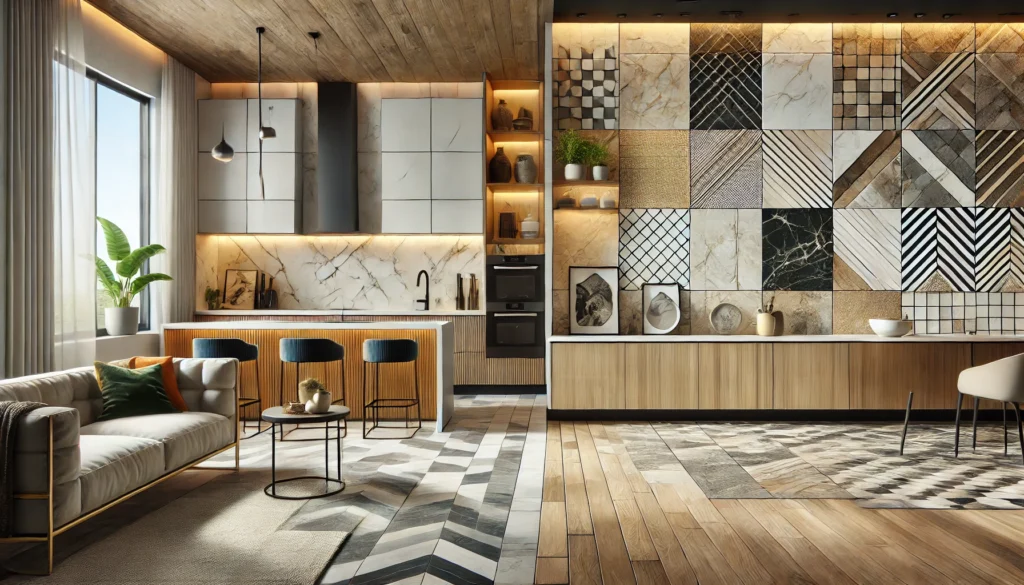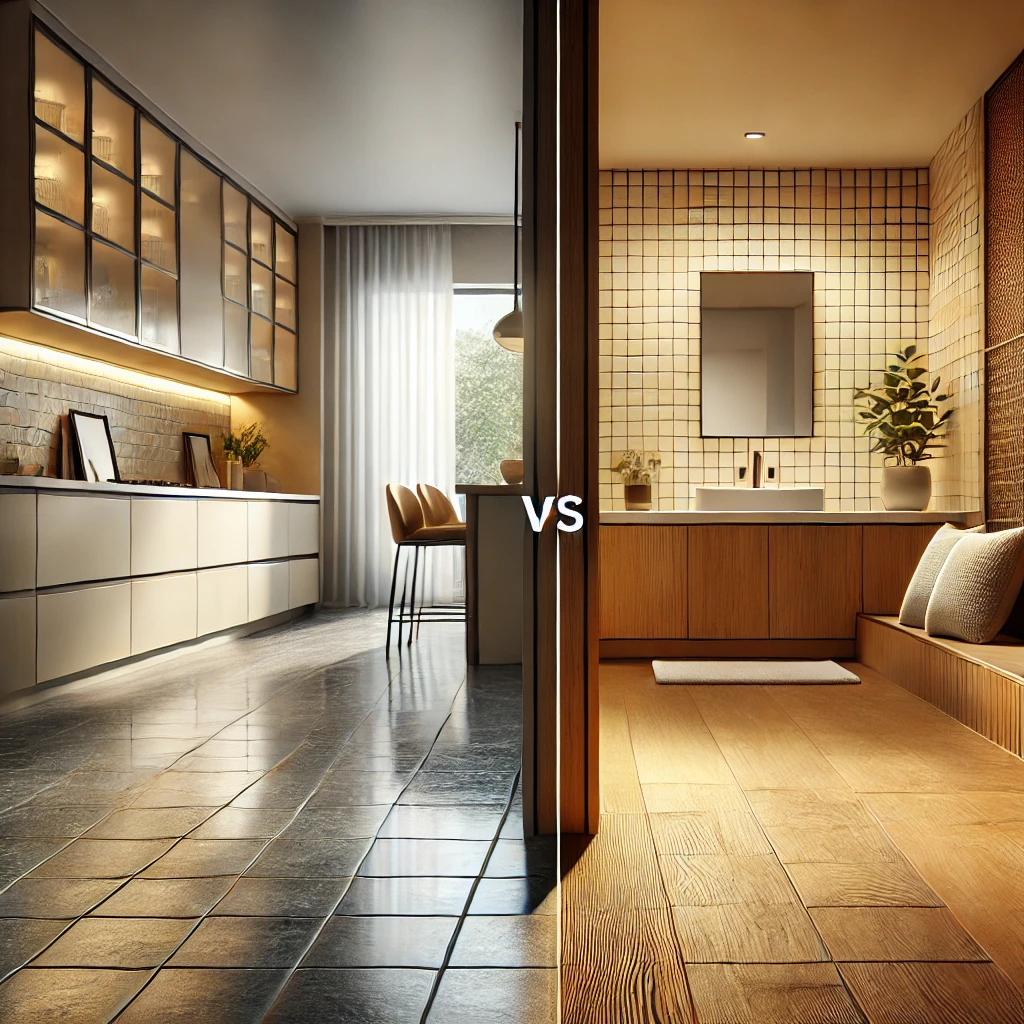

Choosing between Terra Cotta vs Ceramic Tiles can feel like standing at a crossroads each path promises beauty, durability, and a transformed living space, yet they lead to distinctly different destinations. Whether you’re renovating your kitchen, refreshing your bathroom, or creating an inviting outdoor patio, understanding the fundamental differences between these two popular tile options will help you make a decision you’ll love for decades to come.
The bottom line? Ceramic tiles excel in high-moisture areas, offer endless design versatility, and require minimal maintenance, making them ideal for busy households. Terra cotta tiles, on the other hand, bring unmatched warmth, natural beauty, and eco-friendly credentials that create character-rich spaces with timeless appeal. Your perfect choice depends on where you’re installing them, how much maintenance you’re willing to perform, and the aesthetic atmosphere you want to create.
At tilesblog.com, we’ve seen countless homeowners struggle with this exact decision. This comprehensive guide breaks down everything you need to know—from composition and durability to cost considerations and real-world applications—so you can confidently choose the tile that’s truly better for your unique space.
Understanding the Fundamental Differences Between Terra Cotta and Ceramic Tiles
What Exactly Are Terra Cotta Tiles?
Terra cotta, which literally means “baked earth” in Italian, represents one of humanity’s oldest building materials. These tiles are crafted from natural clay minerals—primarily kaolinite, illite, and montmorillonite—combined with silica, iron oxides, and alumina. The distinctive reddish-brown color that makes terra cotta so recognizable comes from the high iron content present in the clay, typically comprising 5-8% of the tile’s composition.
The manufacturing process involves molding natural clay into desired shapes and firing them in kilns at relatively low temperatures—typically around 500°C or higher. This lower firing temperature creates tiles that are inherently porous, which contributes both to their charm and their maintenance requirements. Unlike mass-produced materials, terra cotta tiles often display slight variations in color and texture, with each piece telling its own story.
Terra cotta tiles have graced architectural masterpieces for thousands of years, from Mediterranean villas to Spanish Colonial homes, and continue to captivate homeowners seeking that authentic, lived-in aesthetic. The composition typically includes 50-60% silica for strength, 20-30% clay minerals for binding properties, and 10-20% alumina for hardness.
What Makes Ceramic Tiles Different?
Ceramic tiles share some DNA with terra cotta—both originate from clay—but the similarities largely end there. Ceramic tiles are manufactured using refined clay mixed with additional minerals, then fired at significantly higher temperatures. This intense firing process creates a denser, less porous product that offers distinct advantages in certain applications.
The key difference lies in the vitrification process. When ceramic tiles are fired at elevated temperatures, the clay mixture undergoes vitrification, becoming glass-like and substantially less porous. This transformation results in tiles that resist moisture penetration, staining, and wear far more effectively than their terra cotta counterparts.
Modern ceramic tiles benefit from advanced manufacturing technologies, including digital printing that can replicate virtually any material—from natural marble to exotic hardwoods—at a fraction of the cost. This versatility has made ceramic tiles the dominant choice in the flooring market, with floor applications commanding a 76.31% market share in 2024.
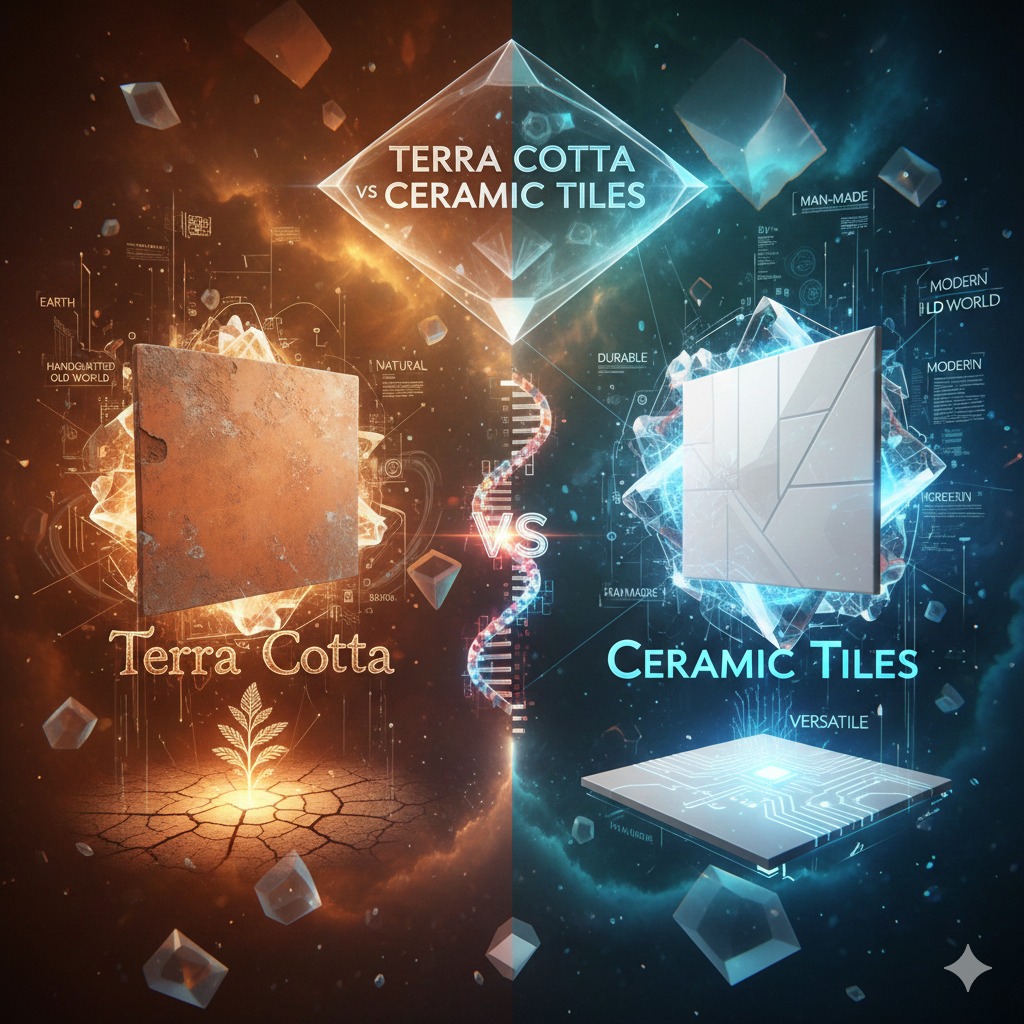
Comparing Durability: Which Tile Stands the Test of Time?
Terra Cotta Tile Durability Characteristics
Here’s something that might surprise you: properly maintained terra cotta tiles can last for decades or even centuries. The key phrase here is “properly maintained.” Terra cotta’s durability profile includes several notable strengths:
- Scratch resistance: The fired clay surface resists everyday scratches remarkably well
- Fade resistance: Unlike synthetic materials, terra cotta maintains its color even under prolonged UV exposure
- Fire resistance: Terra cotta is naturally non-combustible, offering excellent fire protection with zero flame spread
- Thermal mass: These tiles excel at absorbing and slowly releasing heat, contributing to energy-efficient homes
However, terra cotta tiles come with durability caveats that demand attention. Their porous nature makes them susceptible to water absorption, staining, and potential cracking in freeze-thaw conditions. Without proper sealing, moisture can penetrate the tile body, leading to efflorescence (white mineral deposits), mold growth, and structural damage over time.
In high-traffic areas, unsealed terra cotta may show wear patterns more quickly than ceramic alternatives. Yet many homeowners consider this developing patina part of terra cotta’s charm—a living surface that tells the story of family life.
Ceramic Tile Durability Performance
Ceramic tiles deliver impressive longevity, with properly installed and maintained tiles lasting 20 to 50 years or more. Some high-quality ceramic installations have served homeowners well beyond the half-century mark.
The durability advantages of ceramic tiles include:
- Moisture resistance: Glazed ceramic surfaces effectively repel water, making them ideal for bathrooms and kitchens
- Stain resistance: The glazed surface creates a barrier against spills, oils, and everyday messes
- Scratch and dent resistance: The hard ceramic surface resists the scratches and dents that plague softer flooring materials
- Color stability: Ceramic tiles won’t fade from sunlight exposure, maintaining their appearance indoors or outdoors
- Chemical resistance: Unlike some flooring options, ceramic tiles withstand household cleaners without degradation
For areas experiencing heavy foot traffic—think busy family kitchens, commercial spaces, or entryways—ceramic tiles generally outperform terra cotta in terms of maintaining their original appearance over time.
Maintenance Requirements: What Each Tile Type Demands
Caring for Terra Cotta Tiles
If you’re considering terra cotta tiles, prepare yourself for a maintenance relationship that requires consistent attention. The cornerstone of terra cotta care is sealing—and it’s not a one-time affair.
Terra cotta tiles require sealing every 1-3 years on average, depending on usage patterns, environmental exposure, and the quality of sealant applied. In humid climates or high-traffic areas, you may find yourself resealing more frequently. A 2024 report revealed that 50% of terra cotta tile damage in Bangalore stemmed from improper sealing, highlighting just how critical this maintenance step truly is.
The sealing process involves:
- Deep cleaning the tiles to remove all dirt, grime, and old sealant residue
- Allowing complete drying—often 24-48 hours in humid conditions
- Applying penetrating sealer in thin, even coats
- Adding topcoat protection for additional UV and scratch resistance
Daily maintenance for terra cotta floors involves regular sweeping and occasional mopping with pH-neutral cleaners. Avoid harsh chemicals and acidic cleaning products, as terra cotta is particularly susceptible to staining from substances like coffee, wine, and vinegar.
Ceramic Tile Maintenance Simplicity
In contrast, ceramic tiles offer what many homeowners crave: low-maintenance living. The glazed surface that characterizes most ceramic tiles creates a protective barrier that simplifies care dramatically.
Routine ceramic tile maintenance typically involves:
- Regular sweeping or vacuuming to remove loose debris
- Mopping with mild detergent and warm water
- Occasional grout cleaning to prevent mildew buildup in bathroom applications
Here’s the game-changer: ceramic tiles do not require sealing. This eliminates an entire category of ongoing maintenance expense and effort. While grout lines between ceramic tiles may benefit from periodic sealing, the tiles themselves remain maintenance-free throughout their lifespan.
For busy families, commercial applications, or anyone who simply wants beautiful floors without weekend maintenance projects, ceramic tiles’ low-maintenance nature represents a significant advantage.
Water Resistance and Moisture Performance
Terra Cotta’s Relationship with Water
Understanding terra cotta’s porosity is essential for making informed installation decisions. The water absorption characteristics of tiles follow industry classifications per ANSI standards:
| Tile Classification | Absorption Rate | Suitable Applications |
|---|---|---|
| Impervious | < 0.5% | Showers, pools, exteriors |
| Vitreous | 0.5-3% | Kitchens, bathrooms |
| Semi-Vitreous | 3-7% | Low-moisture indoor areas |
| Non-Vitreous | > 7% | Dry indoor applications only |
Traditional terra cotta tiles typically fall into the non-vitreous or semi-vitreous categories, with water absorption rates that can exceed 10%. This high porosity creates several practical implications:
- Not recommended for wet areas without extensive waterproofing measures
- Risk of efflorescence in moisture-prone environments
- Potential for mold and mildew if moisture penetrates the tile body
- Limited outdoor use in freeze-thaw climates
However, glazed terra cotta tiles offer improved moisture resistance. The glazing process creates a protective surface layer that resists water penetration, making them suitable for kitchen backsplashes and some bathroom applications. For homeowners who love terra cotta’s aesthetic but need better moisture performance, porcelain tiles with terra cotta-look finishes provide the best of both worlds.
Ceramic Tile Moisture Excellence
Ceramic tiles shine in moisture management, making them the preferred choice for bathrooms, kitchens, and laundry areas. Their lower porosity—typically in the vitreous range of 0.5-3%—provides inherent resistance to water penetration.
The benefits of ceramic’s moisture resistance include:
- No water damage concerns when properly installed
- Hygienic surfaces that resist bacteria and mold growth
- Suitability for wet areas including showers, tub surrounds, and pool decks
- No moisture-related staining or discoloration over time
For bathroom flooring specifically, ceramic tiles with matte or textured finishes provide both moisture resistance and slip resistance—a critical safety consideration. The combination of water resistance and easy cleaning makes ceramic tiles the practical choice for any space where moisture exposure is routine.
Aesthetic Appeal and Design Versatility
The Timeless Beauty of Terra Cotta
There’s something irreplaceable about terra cotta’s aesthetic warmth. These tiles bring a rustic, Mediterranean, or Spanish Colonial character that synthetic alternatives struggle to replicate authentically. The appeal lies in several distinctive characteristics:
Natural color variations: Unlike uniform manufactured tiles, terra cotta displays organic variations in its reddish-brown, tan, and ochre tones. This variation creates visual depth and interest that makes each installation unique.
Textured surfaces: The slightly uneven, handcrafted quality of traditional terra cotta tiles adds tactile appeal and visual character. This rustic texture softens spaces and creates warmth that polished surfaces cannot achieve.
Aging gracefully: Terra cotta tiles develop a patina over time, mellowing and gaining character as they age. For homeowners who appreciate the story that surfaces tell, this evolving beauty represents a significant draw.
Design compatibility: Terra cotta pairs beautifully with natural materials—wood beams, brick accents, copper fixtures, and natural stone countertops. The earthy tones create harmony in farmhouse, Mediterranean, bohemian, and even minimalist modern designs.
Terra cotta tiles are available in various shapes including squares, rectangles, hexagons, and interlocking patterns. Size options range from small mosaic formats to larger formats, though selection is generally more limited than ceramic offerings.
Ceramic Tile Design Possibilities
If terra cotta offers artisanal charm, ceramic tiles offer unlimited design potential. Modern manufacturing technologies have transformed ceramic tiles into chameleons of the design world, capable of mimicking virtually any material or creating patterns never before possible.
Digital printing revolution: Advanced digital printing allows ceramic tiles to replicate natural marble, exotic hardwood, weathered stone, and even terracotta itself with remarkable accuracy. These technologies deliver premium aesthetics at accessible price points.
Endless color options: Where terra cotta is limited to earthy tones, ceramic tiles span the complete color spectrum—from crisp whites and subtle grays to bold blues, greens, and metallic finishes.
Pattern versatility: Geometric designs, artistic patterns, textured surfaces, 3D effects—ceramic tiles accommodate creative visions that would be impossible with natural materials. The popular “tile drenching” trend, where entire rooms feature cohesive tile coverage, has been enabled by ceramic’s design flexibility.
Size range: Ceramic tiles are available in an extraordinary range of sizes, from tiny mosaic squares to large-format panels measuring 24″ x 48″ or larger. This versatility allows designers to manipulate spatial perception—larger tiles with fewer grout lines make spaces appear more expansive.
Finish options: Glossy, matte, satin, textured, polished—ceramic tiles offer finish options to match any design direction and functional requirement.
Cost Analysis: Investment Comparison
Terra Cotta Tile Pricing
Understanding terra cotta tile costs requires looking beyond the initial purchase price to total cost of ownership. Here’s what you can expect:
Material costs: Terra cotta tiles typically range from ₹150 to ₹400 per square foot in the Indian market. High-quality handmade terra cotta tiles or imported varieties may command premium pricing.
Installation costs: Terra cotta installation tends to be more labor-intensive due to several factors:
- Heavier tiles requiring stronger substrate preparation
- Irregular surfaces demanding more skilled installation
- Sealing requirements adding installation steps
Labor costs for terra cotta installation typically range from ₹30-50 per square foot, though complex installations or premium contractors may charge more.
Ongoing maintenance costs: The sealing requirement adds recurring expense every 1-3 years. Quality penetrating sealers and topcoats, plus professional application if preferred, contribute to lifetime costs that ceramic tiles don’t share.
Long-term value: When properly maintained, terra cotta tiles can last indefinitely, potentially offsetting higher initial and maintenance costs over extremely long time horizons.
Ceramic Tile Pricing
Ceramic tiles offer broader price flexibility, accommodating both budget-conscious and luxury-seeking homeowners:
Material costs: Ceramic tiles range from ₹35 to ₹350+ per square foot depending on quality, design, and brand. Budget ceramic options start around ₹35-50 per square foot, while premium digitally-printed designs from top brands like Kajaria or Johnson command ₹200-300+ per square foot.
Installation costs: Standard ceramic tile installation costs approximately ₹25-40 per square foot for straightforward layouts. Complex patterns, large-format tiles, or challenging substrate conditions may increase labor costs.
Lifetime cost advantage: Ceramic tiles’ maintenance-free nature—no sealing required, easy cleaning, long lifespan—translates to significantly lower total cost of ownership over typical 20-50 year lifespans.
The ceramic tiles market’s scale—projected to reach $176.86 billion by 2029—creates competitive pricing pressure that benefits consumers with quality options at multiple price points.
Best Applications: Where Each Tile Type Excels
Ideal Spaces for Terra Cotta Tiles
Terra cotta tiles truly shine in specific applications where their unique characteristics become advantages rather than limitations:
Living rooms and great rooms: The warmth of terra cotta flooring creates inviting gathering spaces. The thermal mass keeps floors comfortable underfoot while contributing to energy efficiency.
Covered outdoor spaces: Patios, verandahs, and covered porches benefit from terra cotta’s natural cooling properties and rustic aesthetic. Ensure adequate protection from direct rain and freeze-thaw conditions.
Mediterranean and farmhouse kitchens: Terra cotta kitchen floors pair beautifully with wooden cabinetry, exposed brick, and vintage fixtures. Choose glazed terra cotta near sinks and cooking areas for improved moisture resistance.
Entryways and hallways: Terra cotta’s durability handles foot traffic while welcoming guests with warmth and character.
Wine cellars and mud rooms: The rustic aesthetic and ability to hide dirt make terra cotta practical for utilitarian spaces.
Spaces where character matters: If you value unique, artisanal surfaces over uniform perfection, terra cotta delivers character that mass-produced tiles cannot replicate.
Where Ceramic Tiles Perform Best
Ceramic tiles’ versatility makes them appropriate for nearly any application, but they particularly excel in:
Bathrooms: The combination of moisture resistance, easy cleaning, and slip-resistant options makes ceramic the default bathroom flooring choice. Floor applications currently dominate the market with 76.31% share specifically because of bathroom and kitchen demand.
Kitchens: Spill resistance, durability under foot traffic, and heat resistance near cooking areas make ceramic ideal. The residential segment commands 67.23% of the ceramic tile market, driven largely by kitchen applications.
High-traffic commercial spaces: Lobbies, retail spaces, and hospitality venues rely on ceramic’s durability and maintenance simplicity.
Outdoor applications: Frost-resistant porcelain ceramic tiles handle freeze-thaw cycles that would destroy terra cotta.
Swimming pools and wet areas: Low water absorption makes certain ceramic tiles suitable for pool surrounds and shower walls.
Modern and contemporary designs: When sleek, uniform surfaces support your design vision, ceramic delivers consistent results.
Environmental Considerations: Sustainability Comparison
Terra Cotta’s Green Credentials
For environmentally conscious homeowners, terra cotta tiles offer compelling sustainability benefits:
Natural composition: Terra cotta contains no synthetic materials, harmful chemicals, or VOCs (volatile organic compounds). The simple composition—natural clay, silica, and minerals—means no toxic substances leaching into your home environment.
Local sourcing potential: Clay deposits exist worldwide, enabling locally-produced terra cotta with minimal transportation footprint. This contrasts with some exotic tiles requiring international shipping.
Recyclability: Terra cotta tiles can be crushed and repurposed as construction fill, landscaping material, or even recycled into new terra cotta products. This circular economy potential reduces landfill impact.
Thermal efficiency: Terra cotta’s excellent thermal mass reduces HVAC demands by absorbing heat during the day and releasing it gradually. This passive temperature regulation can reduce energy consumption by up to 20% in some applications.
Lower firing temperatures: Compared to vitrified ceramics, traditional terra cotta requires less energy to produce due to lower kiln temperatures.
However, transparency requires acknowledging that terra cotta production still involves significant energy consumption during firing, and transportation emissions vary based on sourcing.
Ceramic Tile Environmental Profile
Ceramic tiles have made substantial sustainability strides:
Longest lifespan, lowest impact: Ceramic tile achieves the lowest carbon footprint of any flooring material in North America based on lifecycle assessments. A 75+ year lifespan means fewer replacement cycles and reduced cumulative environmental impact.
Recycled content: Many ceramic tile manufacturers incorporate pre- and post-consumer recycled materials. Some producers use up to 30% recycled content in their tile bodies.
No VOC emissions: Like terra cotta, ceramic tiles emit no volatile organic compounds that affect indoor air quality.
Salvageability: Ceramic tiles can be removed and repurposed during renovations rather than discarded.
Energy efficiency: Ceramic’s thermal mass contributes to passive heating and cooling, reducing energy demands.
The ceramic industry has increasingly prioritized sustainability, with manufacturers developing processes that reduce water consumption, energy use, and waste generation.
Installation Considerations: What to Expect
Installing Terra Cotta Tiles
Terra cotta installation demands attention to several unique factors:
Substrate requirements: The substantial weight of terra cotta tiles—typically heavier and thicker than ceramic alternatives—requires adequate structural support. Subfloors must be properly reinforced, especially on upper levels.
Surface irregularities: Handmade terra cotta tiles may feature slight variations in thickness and surface flatness. Skilled installers use techniques to accommodate these variations and achieve level results.
Pre-installation sealing: Many professionals recommend sealing terra cotta tiles before grouting to prevent grout absorption and staining.
Grout selection: Cement-based grouts work best with terra cotta. Avoid epoxy grouts, which may penetrate and damage the porous tile surface.
Curing time: Allow adequate cure time before walking on newly installed terra cotta floors. The installation process typically takes longer than ceramic due to additional sealing steps.
Professional installation recommended: Given the complexities involved, most terra cotta installations benefit from experienced professional installers familiar with the material’s characteristics.
Ceramic Tile Installation Process
Ceramic tiles offer more straightforward installation characteristics:
Lighter weight: Easier handling and less demanding substrate requirements make ceramic installation more accessible.
Uniform dimensions: Consistent sizing enables faster installation with predictable spacing and alignment.
DIY potential: While professional installation ensures optimal results, competent DIY enthusiasts can successfully install ceramic tiles with proper preparation.
Standard tools and materials: Ceramic tile installation uses widely available tools, adhesives, and grouts without specialized products.
Faster completion: Typical ceramic installations proceed more quickly than terra cotta projects due to simplified material handling and fewer preparation steps.
Installation costs for ceramic tiles typically range from $4-32 per square foot depending on project complexity, tile size, and geographic location. Large-format tiles (24″x48″ or larger) may cost more due to the skill required for proper installation.
Expert Decision Framework: Making Your Final Choice
Choose Terra Cotta Tiles When:
Consider terra cotta as your best choice if these factors align with your situation:
- Aesthetic priority: You value natural beauty, character, and artisanal quality over uniform perfection
- Design style: Your home features Mediterranean, Spanish Colonial, farmhouse, or rustic design elements
- Maintenance commitment: You’re willing to seal tiles every 1-3 years and provide ongoing care
- Dry applications: Your installation location won’t experience significant moisture exposure
- Environmental values: Sustainability and natural materials rank high in your decision criteria
- Long-term perspective: You appreciate materials that age gracefully and develop patina over time
- Budget flexibility: You can accommodate higher initial costs and ongoing maintenance expenses
Choose Ceramic Tiles When:
Ceramic tiles represent the better choice if these factors describe your needs:
- Low maintenance priority: You want beautiful floors without ongoing sealing requirements
- Moisture exposure: Your installation includes bathrooms, kitchens, laundry areas, or outdoor spaces
- Design flexibility: You want specific colors, patterns, or material looks (marble, wood, etc.) at accessible prices
- High-traffic areas: Your space experiences heavy foot traffic requiring maximum durability
- Budget consciousness: You need quality flooring at competitive price points
- DIY installation: You’re considering self-installation to reduce project costs
- Modern aesthetics: Your design vision features contemporary, minimalist, or uniform appearances
The Hybrid Approach
Here’s a strategy savvy homeowners increasingly embrace: use both tile types in their appropriate contexts. Consider terra cotta for your covered patio and living room where its warmth creates ambiance, while selecting ceramic for bathrooms and the kitchen where moisture resistance matters most. This approach captures the best characteristics of each material while avoiding their limitations.
Frequently Asked Questions
Can terra cotta tiles be used in bathrooms?
Traditional unsealed terra cotta tiles are not recommended for bathroom floors due to high water absorption rates that can lead to staining, mold growth, and structural damage. However, glazed terra cotta tiles offer improved moisture resistance and can be used in bathroom applications with proper waterproofing measures. For the terra cotta aesthetic in wet areas, consider porcelain tiles with terra cotta-look finishes that combine the appearance you love with the moisture resistance you need.
How often do terra cotta tiles need to be sealed?
Terra cotta tiles typically require sealing every 1-3 years depending on usage intensity, environmental exposure, and the quality of sealant used. High-traffic areas or humid climates may demand more frequent resealing. Signs that resealing is needed include increased staining, water absorption during cleaning, or a dull appearance that cleaning doesn’t restore. Always follow manufacturer recommendations and allow tiles to dry completely (24-48 hours) before applying new sealant.
Are ceramic tiles completely waterproof?
Ceramic tiles are water-resistant but not completely waterproof. The glazed surface effectively repels water under normal conditions, but moisture can penetrate through grout lines, cut edges, or microscopic imperfections in the glaze. Proper waterproofing for wet areas requires a comprehensive approach including waterproof membranes, appropriate substrates, sealed grout, and corner treatments—not reliance on tile alone. For areas with significant water exposure like showers, porcelain tiles with water absorption rates below 0.5% provide superior protection.
Which tile type is better for outdoor use?
For outdoor applications, the answer depends on your climate. In freeze-thaw environments, frost-resistant ceramic or porcelain tiles outperform terra cotta, which can crack when absorbed moisture freezes and expands. In mild, dry climates, properly sealed terra cotta can perform well outdoors and may be preferred for aesthetic reasons. Terra cotta-look porcelain tiles offer an excellent compromise—delivering the warm appearance of traditional terra cotta with frost-resistant performance suitable for any climate.
How do terra cotta and ceramic tiles compare in cost over 20 years?
While terra cotta tiles may have similar or slightly higher initial costs, ceramic tiles typically cost less over 20 years due to maintenance differences. A typical terra cotta installation requires 7-10 resealing applications over two decades, each costing materials plus potentially professional labor. Ceramic tiles eliminate this recurring expense entirely. However, if you prioritize terra cotta’s aesthetic qualities and view maintenance as worthwhile, the character and warmth it provides may justify the additional lifetime cost for your specific situation.
Making Your Space Extraordinary
The choice between terra cotta and ceramic tiles ultimately reflects your priorities—whether you value the natural, artisanal character that only terra cotta delivers, or the practical versatility and low-maintenance lifestyle that ceramic tiles enable. Both materials have earned their place in homes around the world, each bringing unique benefits that suit different spaces, styles, and lifestyles.
As you move forward with your tile selection, remember that the “better” choice is simply the one that better serves your specific needs. Consider the room’s function, your maintenance tolerance, moisture exposure, design vision, and budget constraints. Visit tile showrooms to see and touch samples in person. Request product specifications to understand water absorption rates, durability ratings, and maintenance requirements.
For more expert guidance on tile selection, installation tips, and design inspiration, explore the comprehensive resources available at tilesblog.com. Whether you’re renovating a single bathroom or transforming your entire home, informed decisions lead to spaces you’ll love for years to come.
Ready to transform your space? Start by measuring your project area, setting a realistic budget, and identifying your non-negotiable requirements. Then let the beauty of either terra cotta’s timeless warmth or ceramic’s versatile brilliance bring your vision to life.