
The United Arab Emirates continues to solidify its position as a global hub for architectural innovation, with recent data highlighting a significant shift in material procurement for high-stakes residential and commercial developments. As temperatures soar and urban expansion continues across Dubai and Abu Dhabi, the demand for porcelain tiles in uae has reached unprecedented levels, driven by a convergence of climate-necessitated engineering and the region’s penchant for luxury aesthetics. Industry analysts point to the material’s superior impermeability and thermal resistance as the primary catalysts for this market dominance, especially as the nation focuses on sustainable, long-term infrastructure projects.
Recent UAE business news indicates that the construction sector is increasingly prioritizing materials that can withstand the unique environmental stressors of the Arabian Peninsula. Unlike traditional ceramics or natural stone, which can suffer from thermal expansion and salt-air degradation, modern porcelain solutions are being engineered specifically for the Middle Eastern climate. This shift is not merely stylistic but is a fundamental response to the evolving needs of the regional real estate market, where durability and maintenance-free longevity are now paramount for developers and homeowners alike.
Engineering Resilience: Why Porcelain Dominates the UAE Climate
The environmental conditions in the Emirates present a unique set of challenges for building materials. With summer temperatures frequently exceeding 45 degrees Celsius and coastal humidity levels often peaking above 90 percent, the physical integrity of flooring and cladding is under constant threat. It has been observed that porcelain in UAE humidity performs with a level of consistency that no other material can match. The manufacturing process of porcelain—involving high-pressure pressing and firing at extreme temperatures—results in a vitrified, non-porous surface that is virtually immune to moisture absorption.
This technical superiority is particularly critical in the context of waterproofing. In many high-end residential units, kitchen spills, frequent mopping, and the ambient humidity characteristic of the region make conventional flooring prone to warping or mold growth. Experts emphasize that porcelain tiles in uae serve as a critical barrier against these issues. Because the material has an absorption rate of less than 0.5%, it effectively seals the substrate from water damage, ensuring that structural integrity is maintained even in the most demanding environments like bathrooms, spas, and outdoor terraces.
Aesthetic Integration in High-End Projects
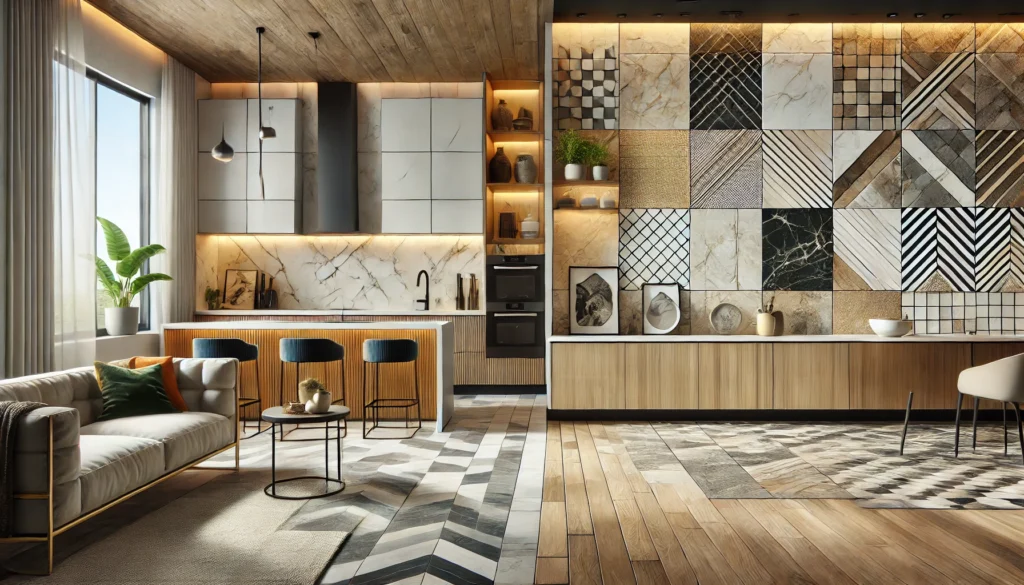
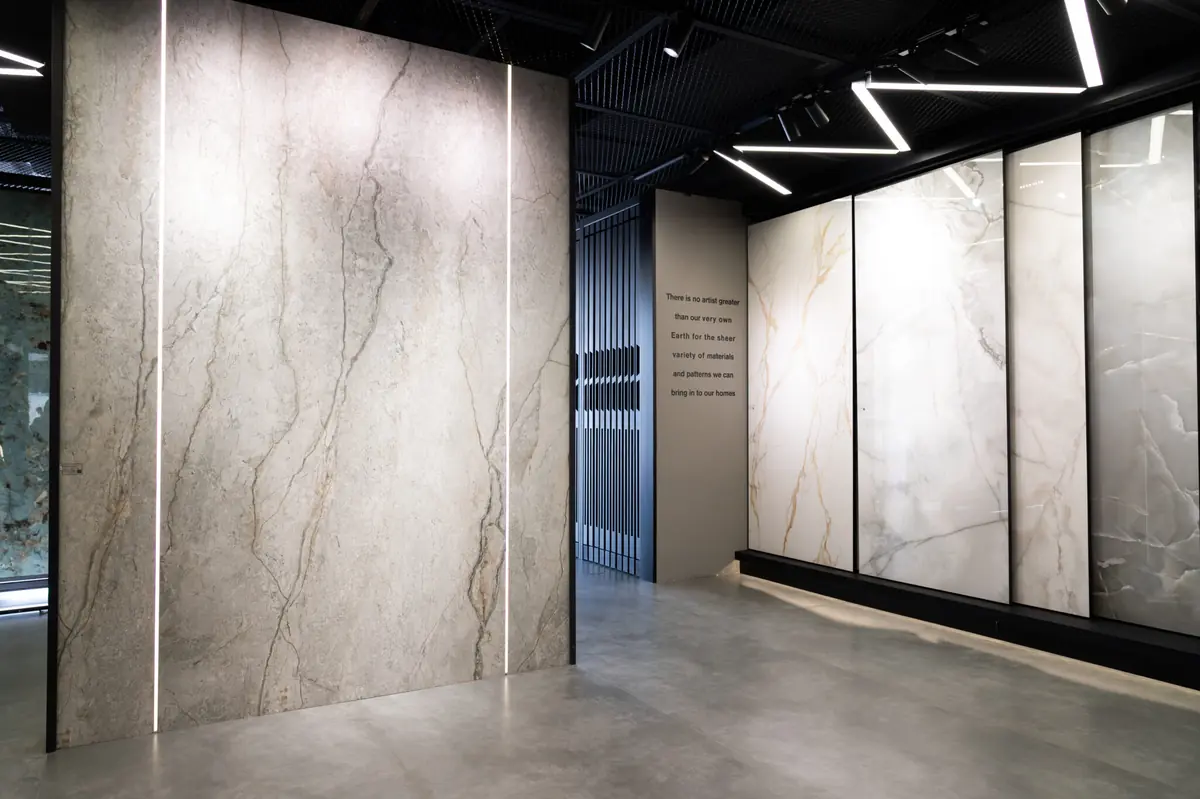
Beyond the technical specifications, the aesthetic versatility of porcelain has allowed it to replace natural marble in many flagship projects. Companies specializing in high-quality tiles and marble products are now offering porcelain slabs that mimic the intricate veining of Statuario or Calacatta marble with hyper-realistic precision. This allows architects to achieve the visual grandeur required for luxury villas and five-star hotels without the inherent weaknesses of porous natural stone. Furthermore, the ability to produce large-format slabs reduces grout lines, creating a seamless, expansive look that is currently trending in Dubai’s interior design circles.
The Emirates-wide infrastructure reports suggest that this trend is expanding into the public sector as well. New transport hubs, airports, and government offices are opting for porcelain for its high slip resistance and ability to withstand heavy foot traffic without losing its luster. The material’s resistance to cleaning chemicals and UV radiation ensures that even outdoor installations in the harsh desert sun remain vibrant and structurally sound for decades.
Commercial and Residential Applications: A Comparative Analysis
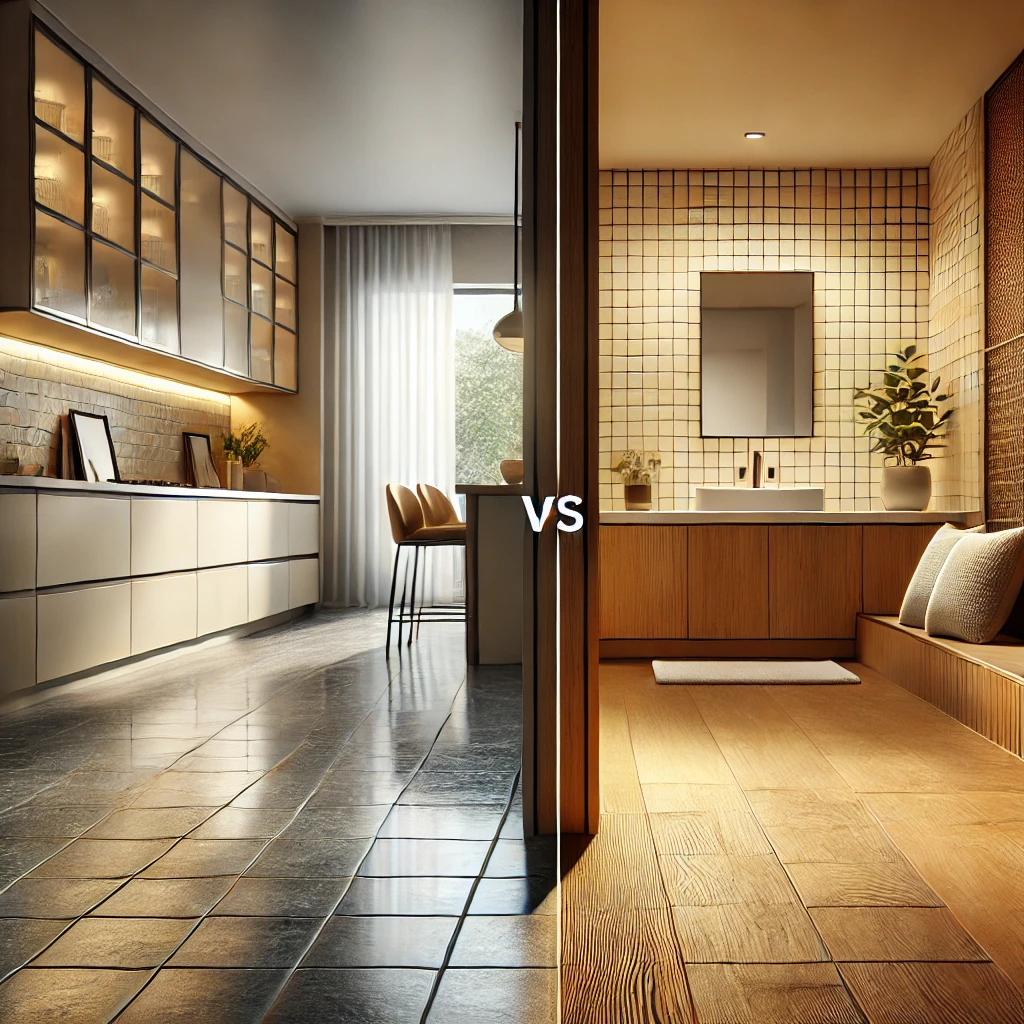
The adoption of porcelain tiles in uae is not limited to a single sector. In the residential market, the focus remains on personalizing spaces while ensuring ease of maintenance. For commercial projects, the priority shifts toward load-bearing capacity and chemical resistance. Modern porcelain is engineered to handle the mechanical stresses of commercial machinery and the high-frequency cleaning protocols required in hospitals and schools.
According to the latest local stories from Dubai and Abu Dhabi, there is a notable increase in “smart” residential developments that utilize porcelain as a conductive surface for underfloor cooling and heating systems. The material’s high thermal mass allows it to retain cool temperatures, contributing to lower energy consumption during the peak summer months—a vital consideration as the UAE pushes toward its Net Zero 2050 goals.
Technical Performance Table
To better understand why developers are pivoting toward this specific material, consider the following data comparing porcelain to traditional flooring options commonly found in the regional market:
| Performance Metric | Premium Porcelain | Natural Marble | Standard Ceramic |
|---|---|---|---|
| Water Absorption Rate | < 0.5% (Impermeable) | 0.5% – 2.0% (Porous) | 3.0% – 7.0% (High) |
| Scratch Resistance (MOHS) | 7 – 9 (Extremely Hard) | 3 – 4 (Soft) | 5 – 6 (Moderate) |
| Thermal Expansion | Minimal | Moderate | Moderate to High |
| Chemical Resistance | High (Acid/Base Proof) | Low (Prone to Etching) | Moderate |
| Maintenance Requirement | Low / Wipe Clean | High / Periodic Sealing | Moderate |
The Logistics and Supply Chain of Porcelain in the Emirates
As the scale of construction increases, the logistics of sourcing porcelain tiles in uae have become a critical component of project management. The UAE serves as a major re-export hub for tiles manufactured in Italy, Spain, and India, while also fostering a growing domestic manufacturing base. This dual-supply strategy ensures that even massive projects, such as the expansion of Al Maktoum International Airport or the development of the various “Islands” projects, have a steady supply of high-grade materials.
Strategic partnerships between local distributors and international manufacturers have led to the creation of bespoke lines designed specifically for the Middle Eastern market. These products often feature enhanced anti-slip properties (R11 and R12 ratings) and increased thickness for outdoor plazas. The integration of digital printing technology has also allowed for the creation of tiles that reflect local heritage, incorporating traditional Islamic patterns with modern, durable finishes.
Industry leaders frequently highlight that the success of regional logistics networks has significantly reduced the lead times for large-scale tile orders. This efficiency is vital for developers who are operating on tight schedules to meet the handover dates for major residential communities. The ability to source porcelain tiles in uae locally, or via rapid import channels, has made it the “gold standard” for timely and high-quality project delivery.
Sustainability and Environmental Impact
In line with the UAE’s Green Building Regulations and the Estidama Pearl Rating System in Abu Dhabi, the sustainability profile of building materials is under intense scrutiny. Porcelain is increasingly viewed as an eco-friendly choice. It is primarily composed of natural clays and minerals, and because of its extreme longevity, the “cradle-to-grave” environmental impact is significantly lower than that of materials which require frequent replacement.
Furthermore, many manufacturers are now utilizing recycled water and heat recovery systems during the firing process. The durability of porcelain tiles in uae means that once installed, they do not need to be replaced for 50 years or more, drastically reducing the waste associated with building renovations. Additionally, the VOC-free (Volatile Organic Compound) nature of porcelain contributes to healthier indoor air quality, which is a major focus for new luxury developments targeting wellness-conscious expatriates and locals.
Innovation in Tile Technology
The next frontier for the flooring industry in the UAE is the integration of photocatalytic technology into porcelain surfaces. These “self-cleaning” tiles use sunlight to break down organic pollutants on their surface, a feature that is particularly attractive for the exterior cladding of skyscrapers in smog-prone urban centers. By reducing the need for aggressive chemical cleaning and high-altitude window washing, these innovations are redefining the economic value proposition of porcelain.
Furthermore, the advent of ultra-thin porcelain panels (as thin as 3mm) is allowing for the renovation of existing structures without the need to strip away old flooring. This “tile-over-tile” application is becoming a preferred method for renovation projects in Dubai Marina and Jumeirah, where minimizing construction noise and debris is a priority for residents and property managers.
Future Outlook: A Market in Transformation
Looking ahead, the market for porcelain tiles in uae shows no signs of slowing down. As the country prepares for further urban expansion into the desert and the continued redevelopment of its older districts, the demand for high-performance, aesthetically pleasing, and climate-resilient materials will only intensify. The convergence of technological advancement in manufacturing and the rigorous demands of the UAE’s environmental conditions has created a perfect storm for the porcelain industry.
Architects and developers are no longer viewing tiles as a simple finishing material but as a strategic asset that enhances the value, safety, and sustainability of their projects. With the continued support of a robust logistics sector and a regulatory environment that favors quality and durability, porcelain is set to remain the foundational element of the UAE’s built environment for the foreseeable future. The ongoing investment in specialized porcelain tiles in uae reflects a broader national commitment to excellence and a future-proofed architectural landscape that can withstand the test of time and climate.
For investors and homeowners, the message is clear: the selection of high-grade porcelain is an investment in the long-term viability of the property. As the Emirates continue to lead the world in urban development, the humble porcelain tile stands as a testament to the marriage of human ingenuity and material science, proving that even in the harshest climates, world-class beauty and resilience can coexist.